After a crash, the first question is usually the price and timeline. Collision estimates follow a standard process, but many factors influence the final number. Understanding what shops and insurers look at helps you spot a solid estimate and avoid surprises later.
What an Estimator Looks At First
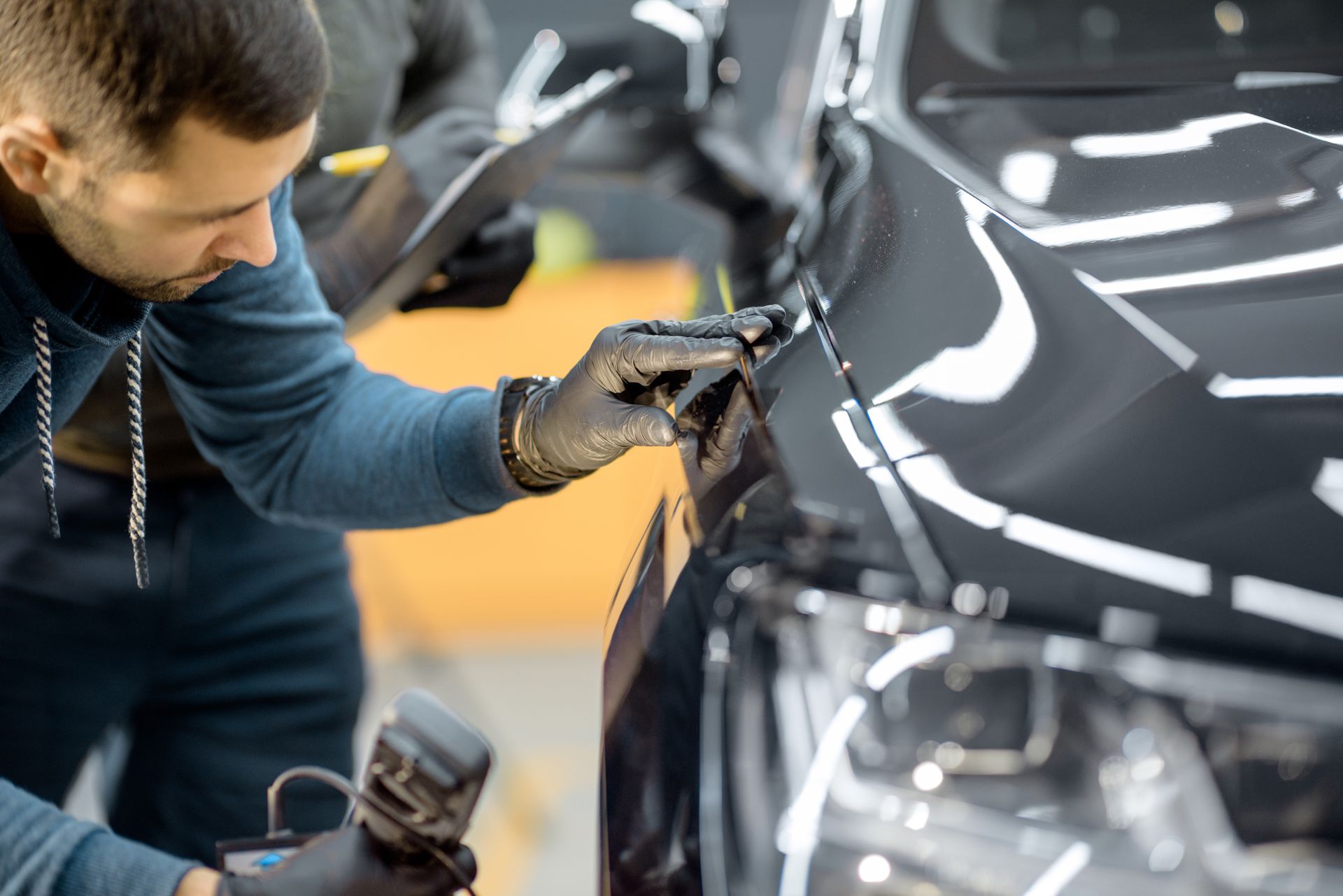
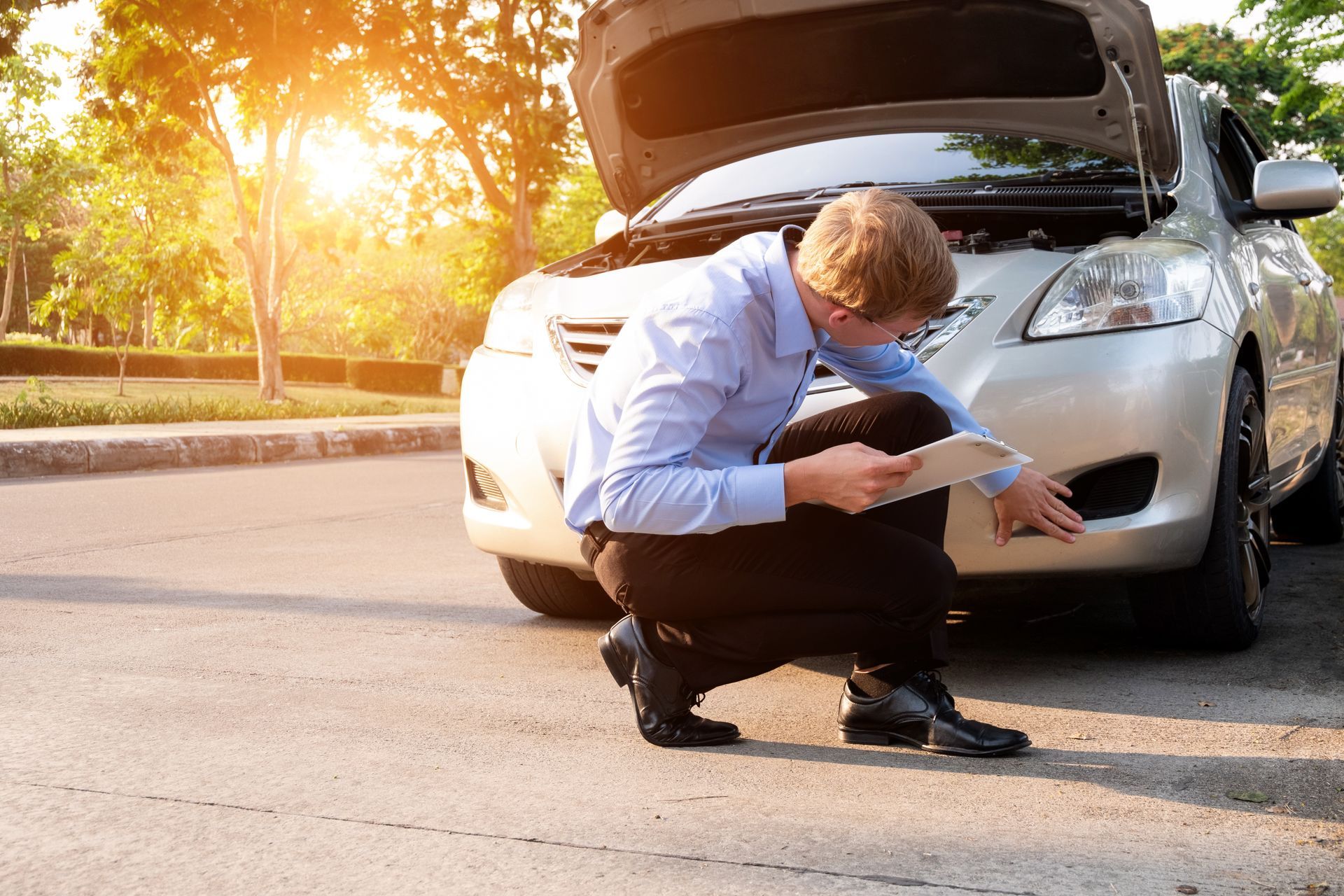
An estimate starts with photos, VIN decoding, and a walkaround. The goal is to document visible damage, check panel gaps, and note safety items like airbags and seat belt pretensioners. Estimators also flag sensors, cameras, and radar units that may need calibration after repairs. A preliminary scan often follows to see which modules recorded faults.
Parts Choices That Change Price
Three categories drive part pricing: OEM, aftermarket, and recycled.
OEM parts match factory fit and are required by some insurers and by many automaker repair procedures. Aftermarket parts can reduce cost, but quality varies, and fit may require extra labor. Recycled or remanufactured parts are genuine factory pieces pulled from donor vehicles and can be a smart balance of cost and fit.
If a part is structural or contains sensors, OEM is the safest call. Our team explains the pros and cons and documents any requirements in the repair plan.
Labor, Rates, and Why Times Differ
Collision labor is divided into body, refinish, mechanical, and frame. Shops use industry databases for a baseline of hours, then adjust for the specific vehicle and damage location. Rates reflect local costs and equipment. A luxury model with aluminum or mixed materials may require higher-skilled labor and special tools.
Complex repairs take more time to disassemble, measure, and verify, which is why two cars with the same dent can be priced differently.
Paint Materials and Blend Time
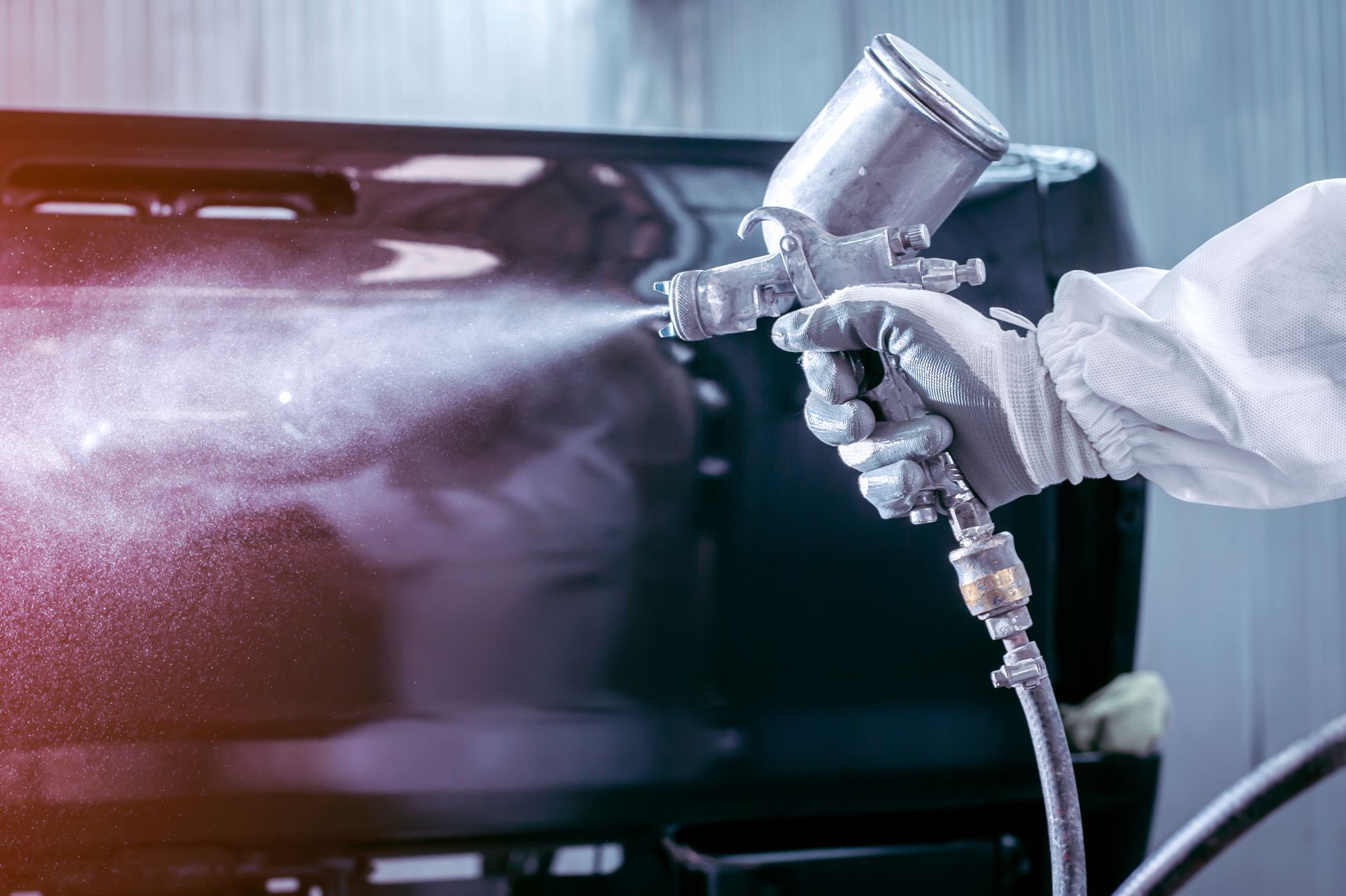
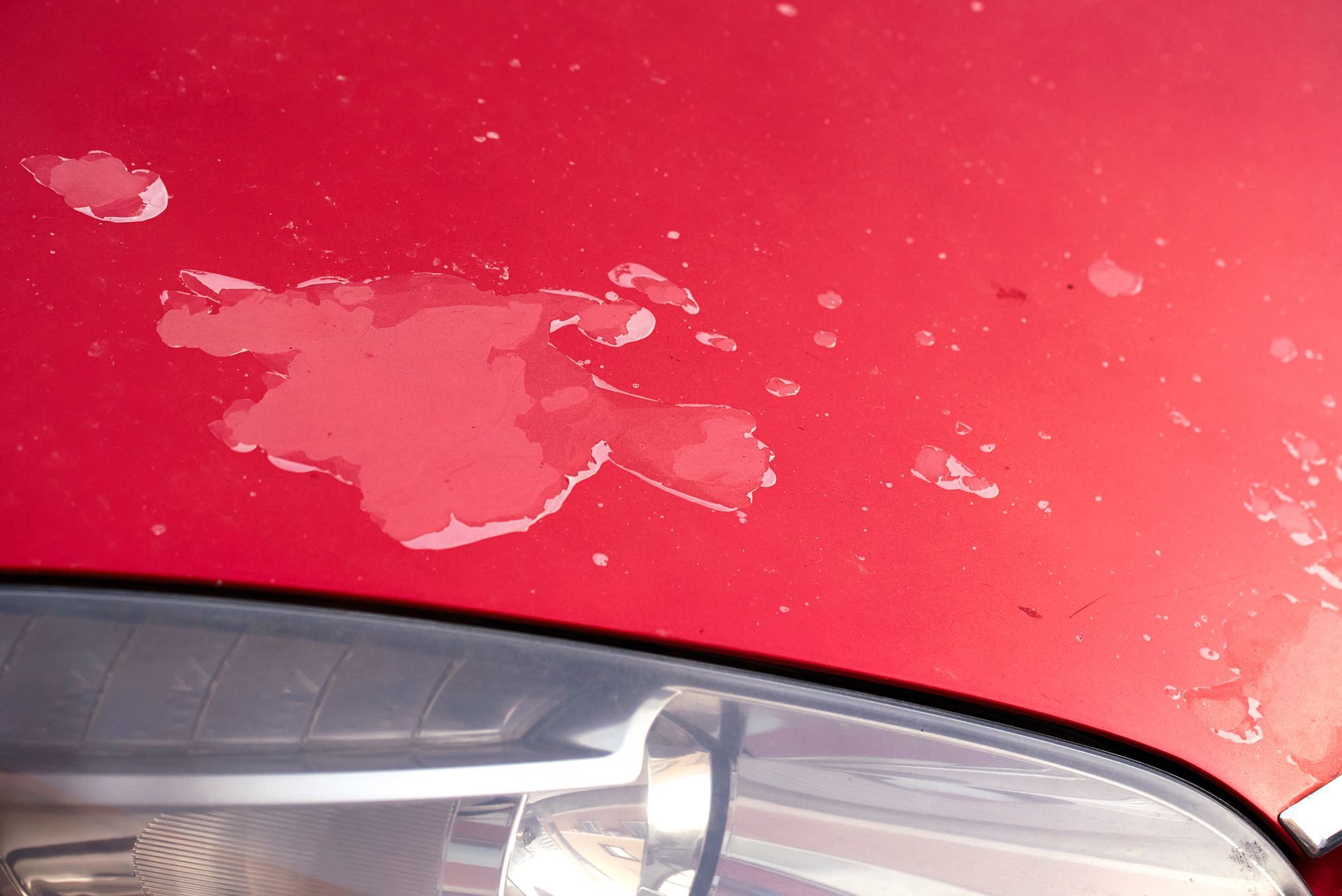
Refinishing includes prep, sealer, base coat, clear, and curing time. Material charges cover primer, color, clear, masking, and shop supplies. Blending adjacent panels is common to ensure a seamless color transition. Metallics and pearls often require blend time to match appearance in sunlight.
A good estimate lists refinish hours per panel and indicates which panels will be blended, so you can see where paint time comes from.
Scans, Calibrations, and ADAS Costs
Modern vehicles rely on sensors for braking, lane keeping, parking, and adaptive cruise. If a bumper cover, grille, windshield, mirror, or tailgate is removed or replaced, those systems may need calibration. Expect line items for pre-scan, post-scan, static or dynamic calibration, and road test verification.
Skipping these steps risks warning lights or hidden safety problems later. We include manufacturer procedures with the file so the calibrations are traceable.
Why Estimates May Change After Tear-Down
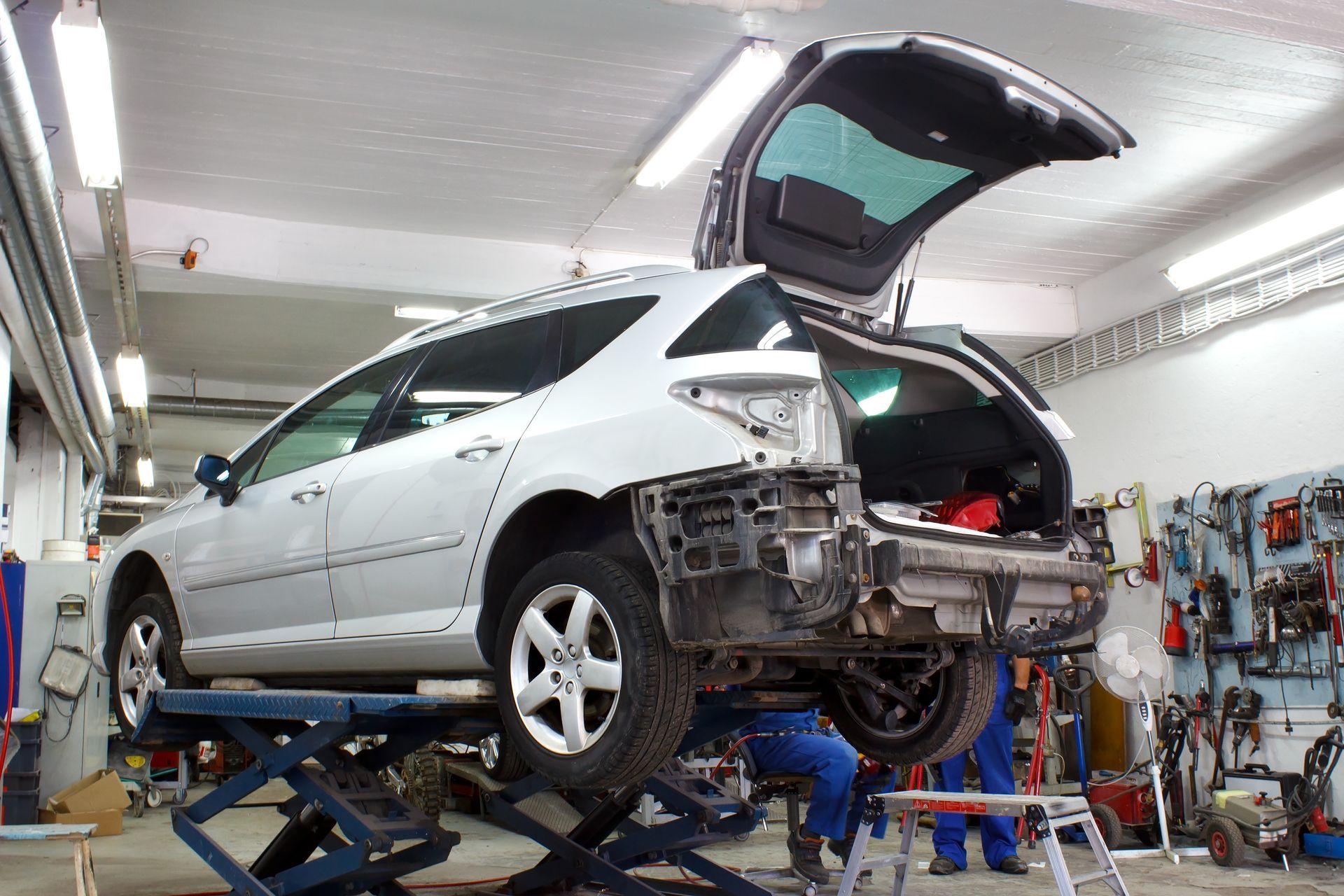
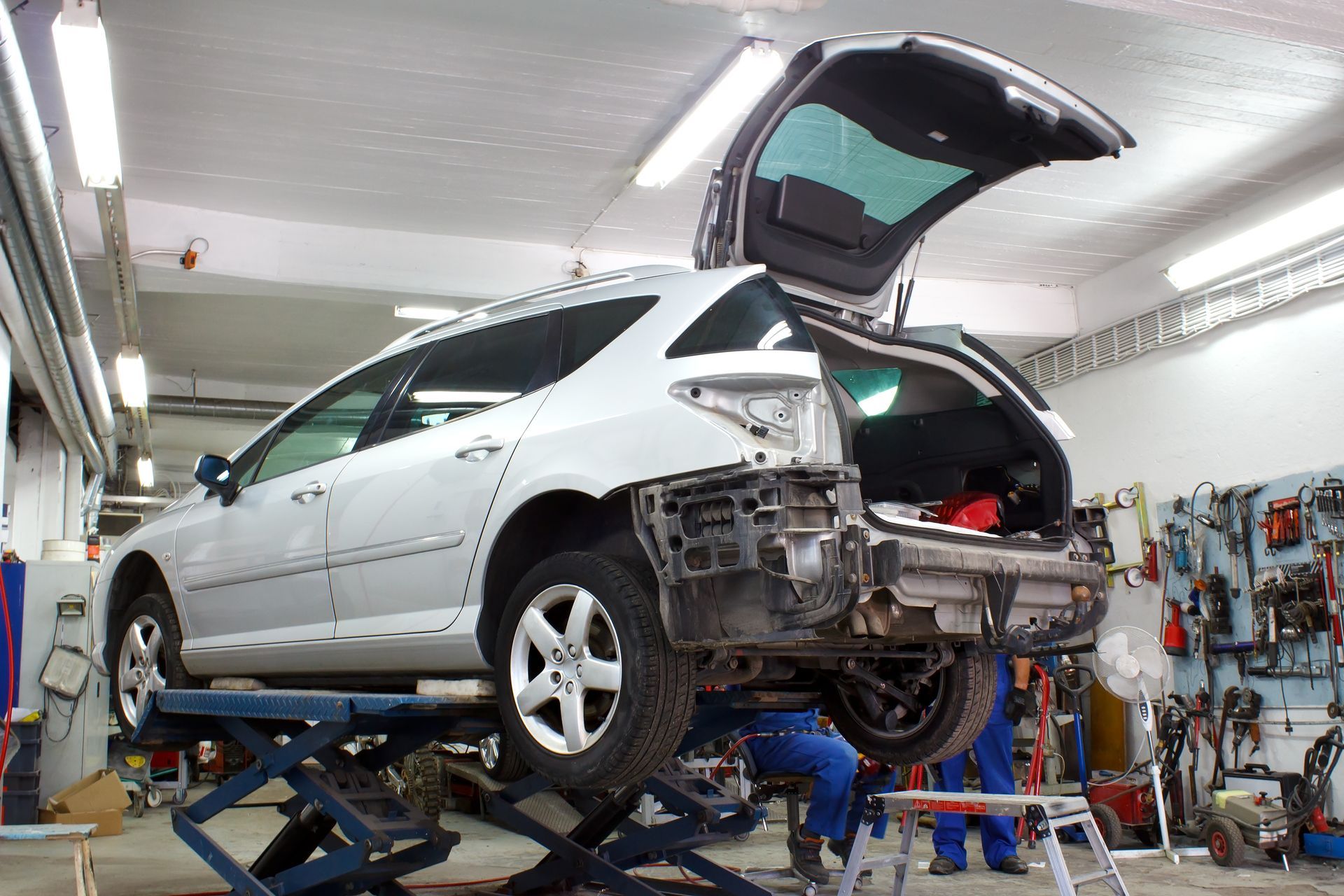
Preliminary estimates cannot be seen under the skin. Once panels are off, hidden damage to brackets, crash boxes, wiring, or inner structure can appear. Shops submit a supplement to the insurer to approve the added parts and time. Supplements are normal, not a red flag. A transparent shop calls out what changed and why, with photos and updated timelines.
Common Line Items That Add Up
- Corrosion protection and seam sealer to restore factory anti-rust performance
- Weld tests and panel bonding supplies for modern mixed materials
- Glass R&I when molding must be removed to access clips or fasteners
- Hazardous waste disposal and shop supplies at a capped percentage
- Wheel alignment and suspension checks after any hit that moved geometry
These items protect longevity and safety, even though they are not as visible as the painted panel.
Insurance, Deductibles, and Total Loss Thresholds
Insurers compare repair costs to the vehicle’s actual cash value. If the ratio passes a set threshold, the car may be declared a total loss. Deductibles apply to approved claims and are paid to the shop at delivery. Choosing non-OEM parts can reduce insurer cost, but policy terms and state laws influence what is allowed.
If you are paying out of pocket, you can still request OEM parts; the estimate will reflect the difference.
Timelines and What Causes Delays
Cycle time depends on parts availability, supplement approvals, and calibration scheduling. Special-order parts, backordered sensors, or glass can add days. Fast communication helps. We keep customers informed at each step, especially after the teardown when the plan becomes final.
How to Read and Compare Estimates
- Check panel-by-panel labor times so you see exactly where time is allocated.
- Confirm parts listings and type: OEM, aftermarket, or recycled, plus quantities.
- Look for paint materials and processes (basecoat, clear, blend operations).
- Verify scans and calibrations for ADAS, airbags, and other electronics.
- Note alignment and mechanical operations included beyond body and paint.
- Avoid vague, bundled lines that hide steps and lead to surprise charges.
- Compare scope, not just price: one estimate may include blends, corrosion protection, and calibrations the other omits.
- Ask for a line-by-line walkthrough so you know exactly what is and is not included.
Get a Clear, Accurate Collision Estimate in Pompano Beach with B & R Auto Body Works
Need pricing after a fender bender or a more serious hit? Visit B & R Auto Body Works in Pompano Beach, FL, and our team will give you a thorough estimate. We scan the vehicle, document visible and hidden damage, outline parts choices, and explain paint, blends, and calibrations so there are no surprises.
Schedule an estimate and get a repair plan that puts safety, fit, and finish first.