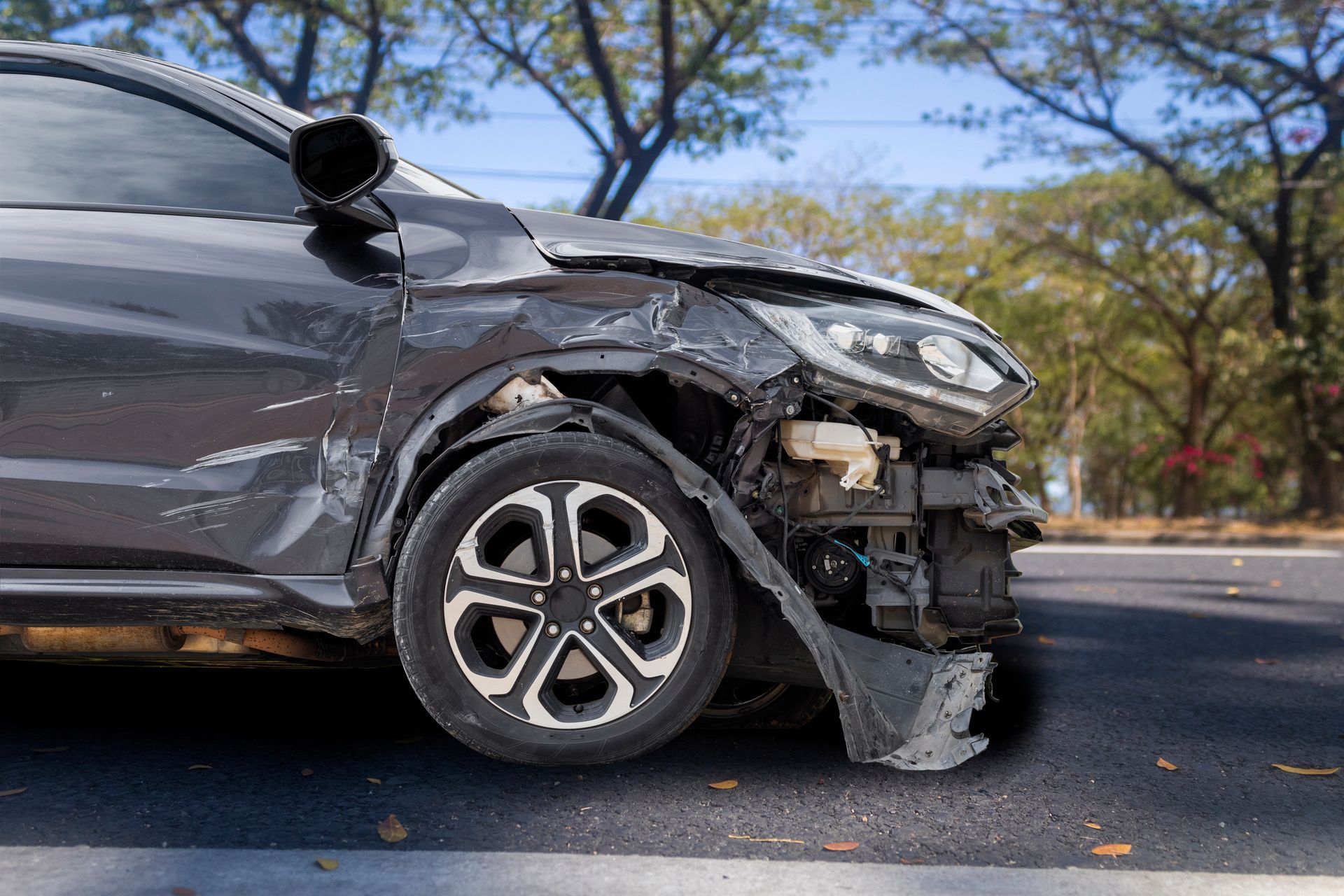
A low-speed rear-end collision can leave surprisingly little evidence on the outside of a vehicle. The bumper cover may have a few scratches, the trunk may still open, and the car may look close to normal once you step several feet away.
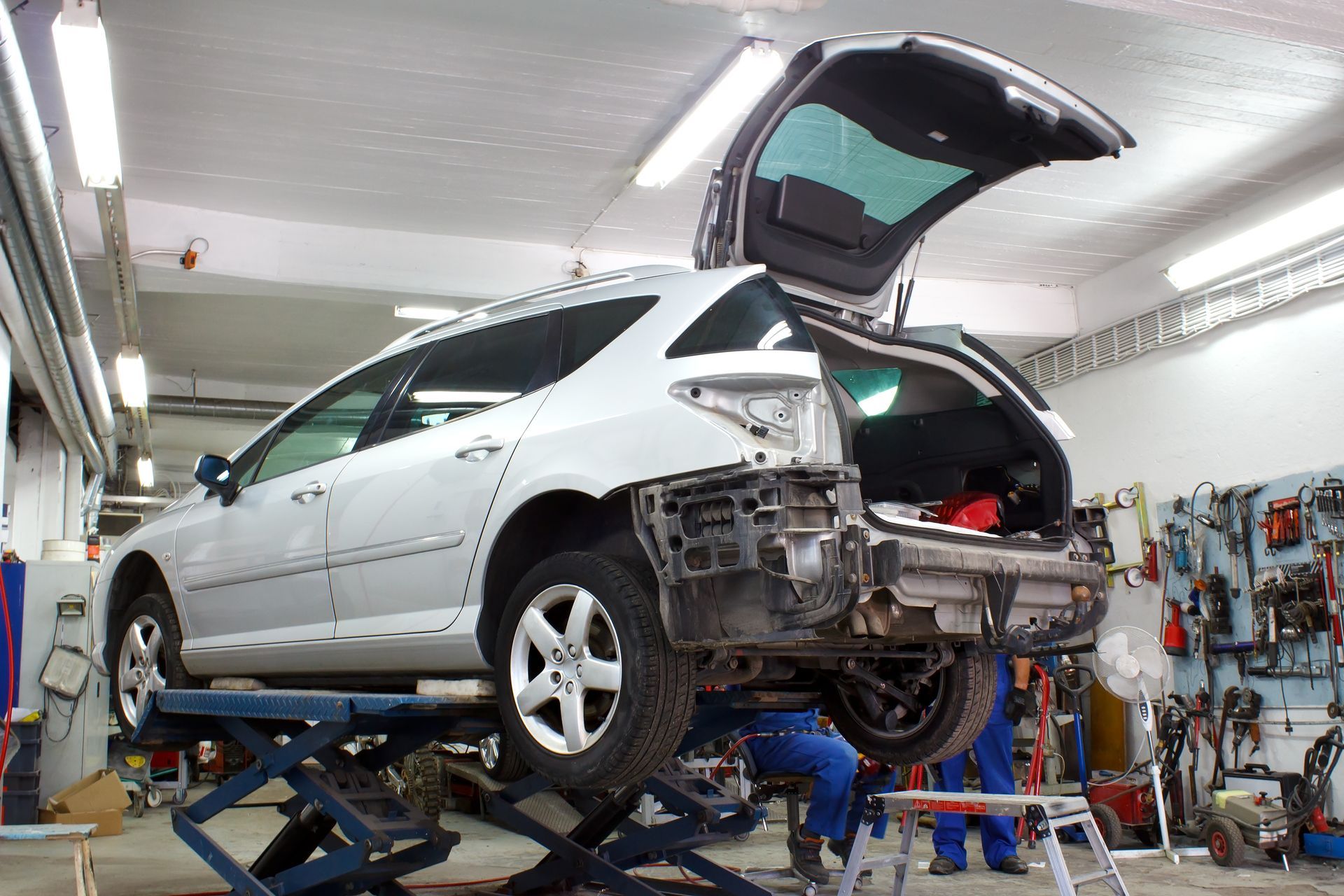
Underneath those visible panels, however, the rear of the vehicle contains brackets, reinforcement structures, seams, floor sections, and attachment points that all react to impact forces differently. Understanding what lies behind the bumper helps explain why body shops look beyond surface damage before deciding what a rear-end repair actually requires.
The Bumper Cover Does Not Show the Whole Story
The painted bumper cover is primarily an exterior panel. Behind it are energy-absorbing materials, reinforcement bars, mounting brackets, and structural areas designed to manage impact forces.
During a collision, the flexible bumper cover can compress and then return close to its original shape. Components behind it do not always recover in the same way. A reinforcement can bend, mounting points can shift, or sheet metal farther inside the vehicle can deform even though the bumper cover does not look severely damaged.
How Impact Force Reaches the Rear Body Structure
Collision energy does not stop at the first panel it touches. Force travels through bumper reinforcements, mounting points, rear rails, body seams, and other connected structures.
The amount of movement depends on impact speed, vehicle size, angle, ride height, and where the other vehicle made contact. A taller SUV striking a lower passenger car, for example, may load the rear structure differently from two similar cars contacting bumper-to-bumper. That is why visible exterior damage alone cannot reliably show how far impact energy traveled.
What Is the Rear Body Panel?
The rear body panel is located behind the bumper area and commonly spans the back of the vehicle between the rear body structure. Depending on the design, it may provide mounting points for the bumper, tail lamps, weather seals, trunk components, or other parts.
If this panel shifts, you may notice uneven gaps around the trunk lid, tail lamps that no longer sit correctly, difficulty latching the trunk, or a bumper that appears slightly out of position. Some distortion is subtle enough that measurements are needed to confirm whether the panel has moved.
Why the Trunk Floor Can Be Affected
The trunk floor is more than the flat surface underneath your cargo. It is formed sheet metal connected to surrounding body structures, and sections of it may deform when rear-impact forces travel inward.
Signs of trunk-floor movement can include new wrinkles in the metal, buckling near seams, changes around the spare-tire well, broken seam sealer, or shifted attachment points. Carpet and trim panels can hide these areas, so removing interior trim may be necessary during a thorough collision inspection.
Water entering the trunk after an accident can also provide a clue. If body seams, weatherstrip contact areas, or surrounding panels have shifted, rainwater may find a path that was not present before the collision.
A Trunk That No Longer Closes Correctly Deserves Attention
Changes in trunk operation often tell technicians that something has moved. The lid may need extra force to close, pop back open, sit higher on one side, or require repeated attempts before the latch catches.
The latch itself can be damaged, but the problem may also involve the striker position, hinges, rear body panel, or surrounding structure. Moving the latch until the trunk closes can hide the symptom without correcting the cause of the alignment change. Body measurements and panel-gap checks help determine where the movement actually occurred.
Hidden Damage Can Affect More Than Body Panels
The rear bumper area on newer vehicles can contain parking sensors, blind-spot radar modules, wiring harnesses, rear cameras, and other electronic equipment. A sensor does not need to be visibly broken to have its position changed by an impact.
Exhaust components, trunk wiring, tail lamp mounts, and nearby suspension areas may also need attention, depending on the location and severity of the collision. If the vehicle uses rear-mounted driver-assistance sensors, calibration requirements may need to be reviewed after related body repairs.
How a Body Shop Checks for Hidden Rear-End Damage
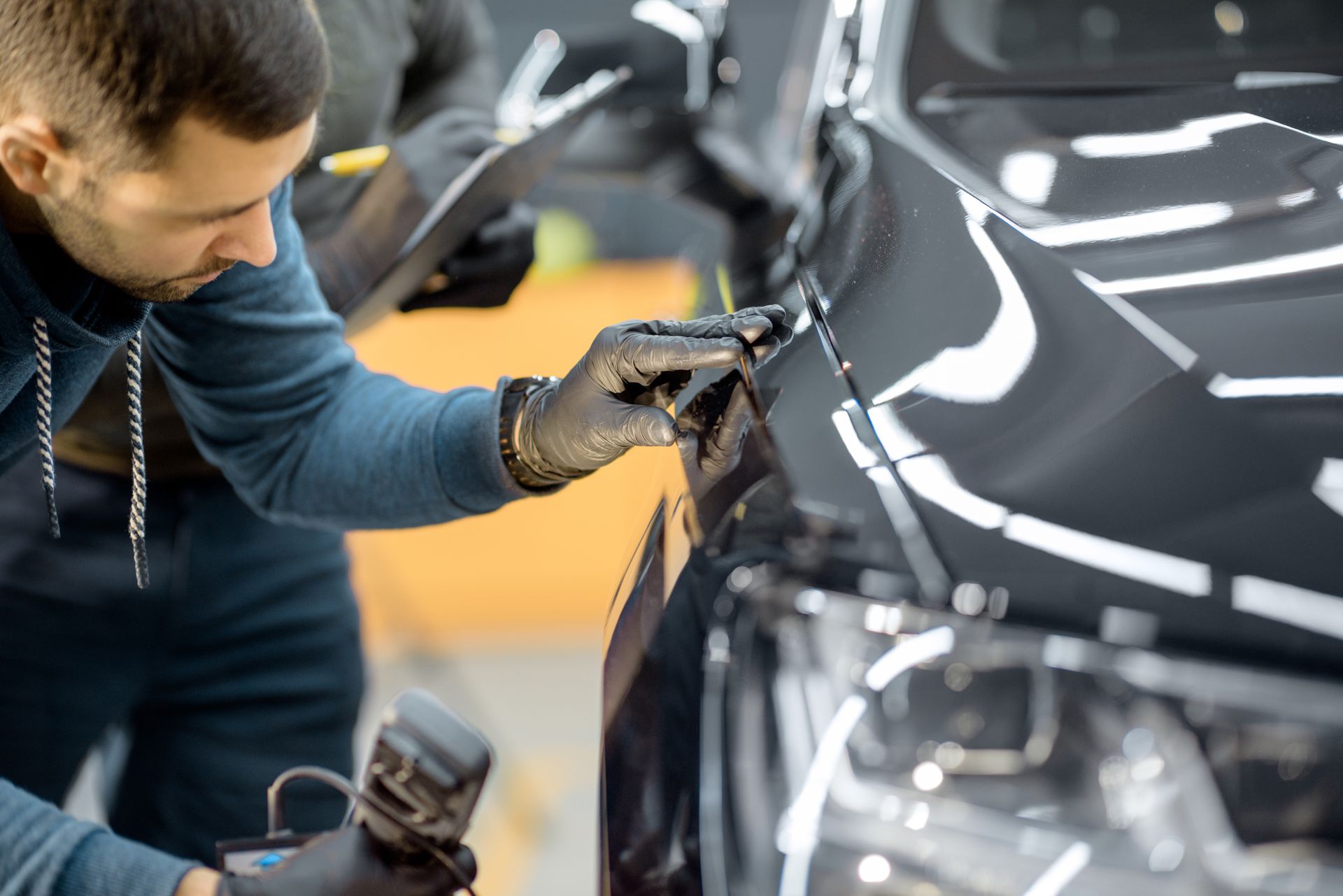
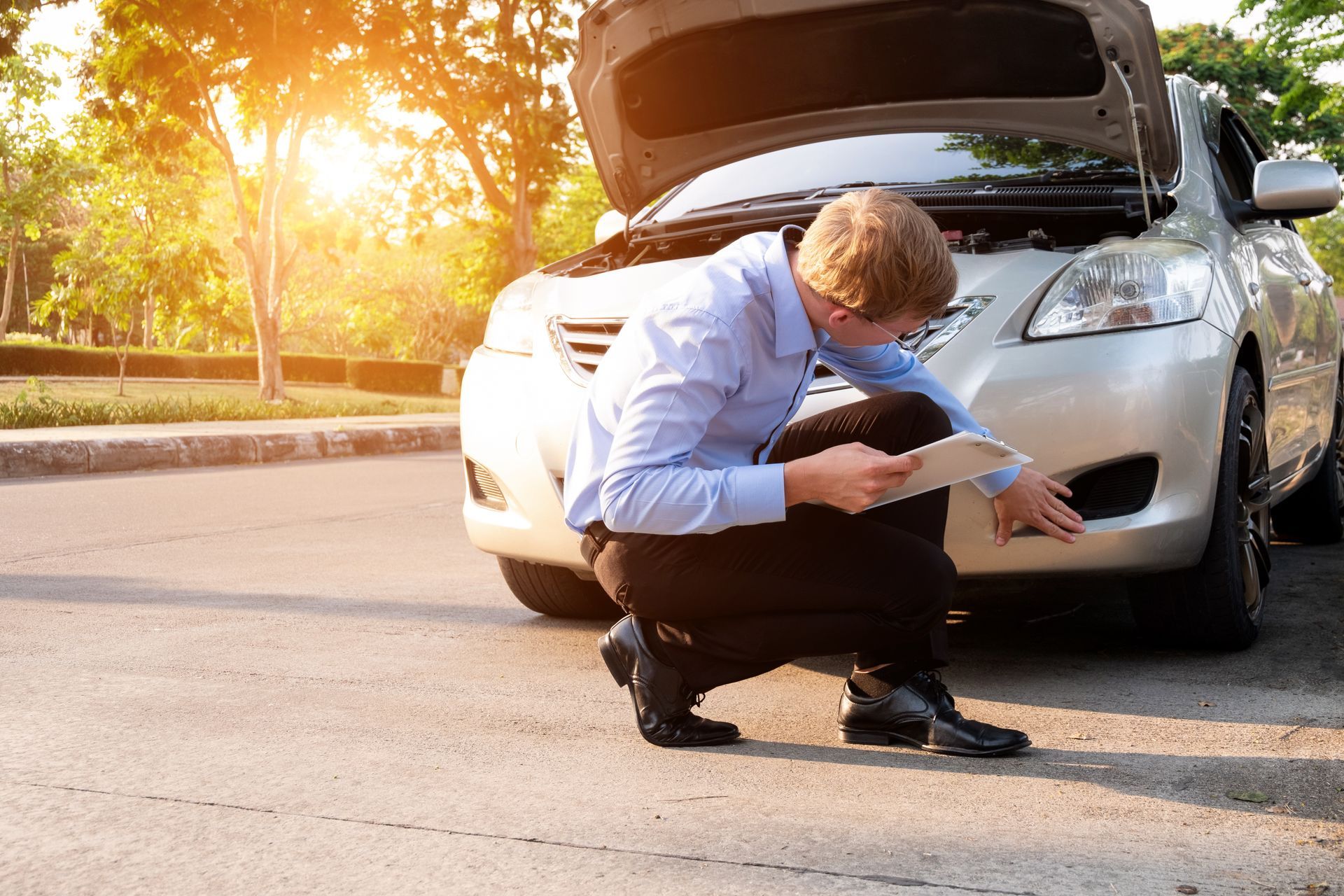
A proper evaluation starts with the visible damage but continues behind exterior trim where necessary. Technicians compare panel gaps, check trunk operation, inspect welds and seams, and look for buckling or displaced mounting points.
Areas commonly checked can include:
- Bumper reinforcement and absorbers
- Rear body panel
- Trunk floor and spare-tire well
- Rear structural rails
- Trunk latch and striker
- Tail lamp mounting areas
- Body seams and seam sealer
- Parking sensors and related wiring
Measurements may also be taken when structural movement is suspected. The goal is to identify everything affected by the collision before repairs begin rather than discovering hidden damage halfway through the job.
Why Repairing Only the Bumper May Not Be Enough
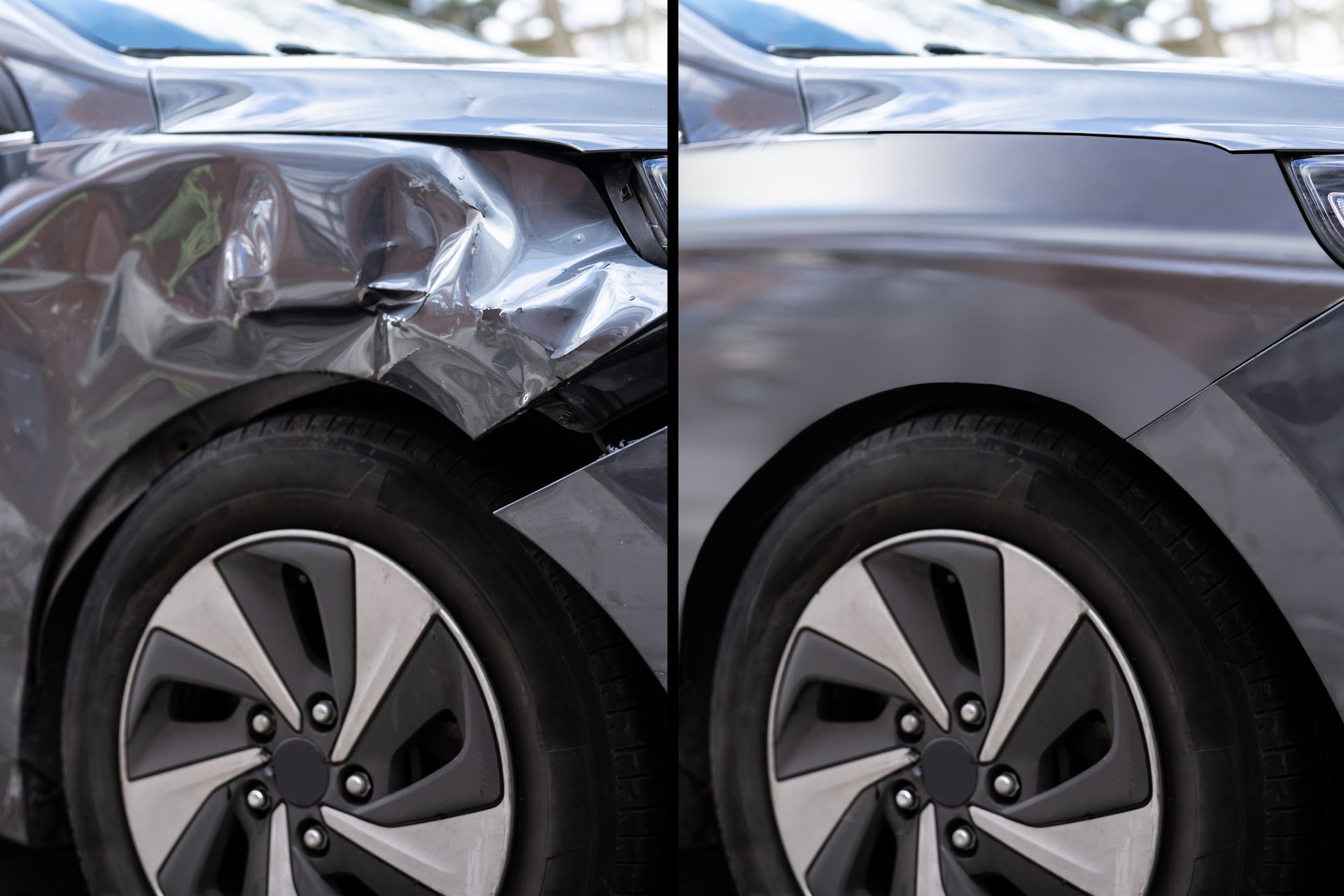
Replacing or refinishing the bumper cover can restore the vehicle's exterior appearance, but cosmetic work cannot correct metal that has shifted farther inside the body.
If structural or inner-panel damage is found, the affected areas may need straightening, sectioning, or replacement, depending on the vehicle manufacturer's repair procedures. Correcting those areas helps restore panel fit, trunk operation, sealing, and the mounting positions of components that depend on the rear body structure.
Even a vehicle that receives regular maintenance can develop unexpected issues after an impact because collision damage differs from normal mechanical wear. Having the rear structure checked after an accident gives the repair team a clearer picture of what changed and what needs to be restored.
Get Rear-End Collision Repair in Pompano Beach, FL, With B & R Auto Body Works
B & R Auto Body Works in Pompano Beach, FL, can evaluate rear-end collision damage beyond what is visible on the bumper cover.
If your trunk no longer closes the same way, panel gaps have changed, water is entering the cargo area, or you want hidden damage checked after a rear impact,
contact us to schedule collision repair service.