Hard water spots on a windshield can make a clean car feel dirty in a hurry. At our shop, we hear about this all the time. A driver washes the car, wipes down the glass, steps back, and the windshield still looks cloudy, spotted, or streaky in the sun. Then night driving makes it even more annoying because those spots can catch light and make glare worse than people expect.
The frustrating part is that hard water spots do not always come off with normal glass cleaner. That is because they are not just dust or road film sitting on the surface. They are mineral deposits left behind after water dries. Over time, those minerals can cling to the glass and become surprisingly stubborn.
The good news is that in many cases, you can remove hard water spots at home if you use the right method and a little patience. The key is to work gently, avoid damaging the glass or trim, and know when the spots are no longer simple surface deposits and may need more advanced attention.
What Hard Water Spots Actually Are
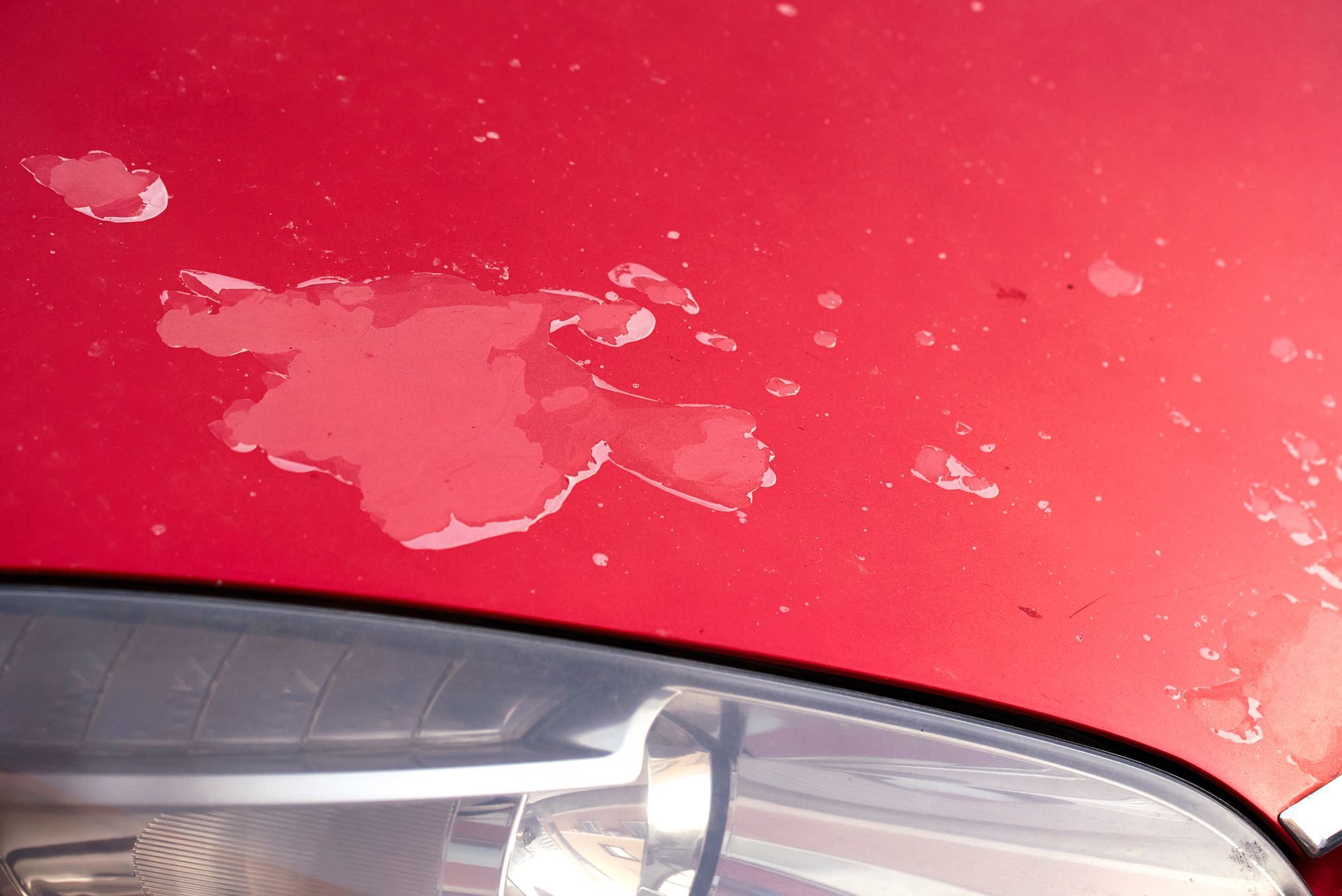
Hard water spots come from mineral rich water drying on the glass. When the water evaporates, minerals like calcium and magnesium stay behind. That leaves the cloudy dots, rings, or haze that normal glass cleaners often struggle to remove.
This happens a lot when a car is washed with hard water and left to dry in the sun. It can also happen from sprinkler overspray, rain mixed with minerals, or repeated exposure to water that dries on the windshield without being wiped away.
The longer those minerals sit there, the more likely they are to bond tightly to the surface. That is why older spots are usually much harder to remove than fresh ones.
Why Water Spots Matter More On A Windshield
A little spotting on the side glass is annoying. On the windshield, it becomes a visibility problem. Hard water spots can create haze, distort light, and make oncoming headlights feel more intense at night. They can also make wiper performance feel worse because the glass no longer wipes cleanly.
At our shop, we think windshield clarity is a safety issue, not just a cosmetic one. Anything that interferes with clear vision deserves real attention.
Start With A Basic Wash First
Before trying anything more aggressive, wash the windshield normally. Use automotive glass cleaner or car wash soap and remove any loose dirt, dust, and road grime first. This matters because you do not want to grind surface grit into the glass while trying to remove mineral spots.
Dry the area and then look closely. Sometimes what seemed like hard water spotting is actually road film or residue that comes off with a good cleaning. If the spots are still there after that, you know you are dealing with minerals that need a stronger approach.
Vinegar Is One Of The Most Common First Steps
For light to moderate hard water spots, white vinegar is often a helpful first step. The mild acidity can help break down mineral deposits without being overly harsh when used carefully on glass.
A simple method is to apply white vinegar to a clean microfiber towel and work it onto the affected area. Let it sit briefly so it has time to soften the deposits, then wipe and buff the glass. Sometimes repeating the process a few times helps with more stubborn areas.
This is one of the easiest at home options because it is simple, inexpensive, and often effective on fresh or moderate spotting.
A few basic tools that can help with the job include:
- Clean microfiber towels
- White vinegar
- Automotive glass cleaner
- A dedicated hard water spot remover made for auto glass
- Plenty of patience and a gentle touch
Use A Glass Safe Water Spot Remover If Needed
If vinegar is not enough, the next step is usually a product made specifically for removing hard water spots from automotive glass. These products are designed to target mineral deposits more aggressively than basic glass cleaners. Some removers work best with an applicator pad. Some require a specific dwell time. Some should be kept away from trim or paint for longer than necessary.
At our shop, we always recommend choosing products meant for automotive glass rather than improvising with harsh household chemicals. Windshield glass is durable, but the surrounding trim, wiper blades, and coatings still deserve care.
Do Not Get Too Aggressive Too Fast
This is one of the biggest mistakes people make. They get frustrated and start scrubbing too hard or reaching for abrasive tools that are not meant for automotive glass. That can create a bigger problem than the original water spotting.
A windshield should not be attacked with rough scouring pads, metal tools, or random abrasive cleaners that were never meant for vehicle glass. Even if the glass itself can tolerate a lot, the risk to surrounding surfaces and the chance of creating new marks is not worth it. Gentle persistence is usually much smarter than aggressive force.
Check Your Wipers Too
Sometimes drivers remove water spots and still feel like the windshield looks bad in use. That is often because the wiper blades are part of the problem too. Old wiper blades can smear residue, skip across rough spots, and make the glass look worse than it really is.
If your windshield has been spotted for a while, the blades may have picked up residue too. That is why cleaning the windshield and ignoring tired wipers can leave the job half done.
If the blades are streaking, chattering, or dragging, it may be a good time to replace them once the glass is cleaned up.
Some Spots Are Actually Etching
This part is important. Not every hard water spot is just sitting on the surface. If mineral deposits stay on the glass long enough, especially in strong sun and heat, they can begin to etch into the surface. At that point, you are no longer dealing with a simple removable deposit. You are dealing with actual glass damage.
Etching can look like stubborn spotting that never fully clears up no matter how much you clean. The windshield may seem better after treatment, but not fully restored. We always recommend taking care of water spots sooner rather than later. The longer they sit, the more likely they are to leave lasting marks.
Prevention Is Easier Than Removal
Once you get the glass cleaned up, the best next step is keeping the spots from coming back. Hard water spotting is much easier to prevent than to remove repeatedly.
A few simple habits help a lot:
- Dry the windshield after washing the car
- Avoid letting sprinkler water hit the vehicle regularly
- Replace worn wipers before they start smearing residue
- Clean the glass regularly instead of letting buildup sit for months
- Consider a glass protectant if appropriate for your vehicle
These steps are simple, but they make a real difference over time.
When To Call A Pro
If the spots have been there a long time, if the glass still looks hazy after repeated attempts, or if you are worried about damaging the windshield with the wrong method, it is smart to get professional help. The same goes for glass that seems etched rather than simply spotted.
If your windshield still looks spotted, hazy, or difficult to see through, bring your vehicle to B & R Auto Body Works in Pompano Beach, FL. We can inspect the glass, check your wiper condition, and help you decide whether the problem is something that needs more professional attention.