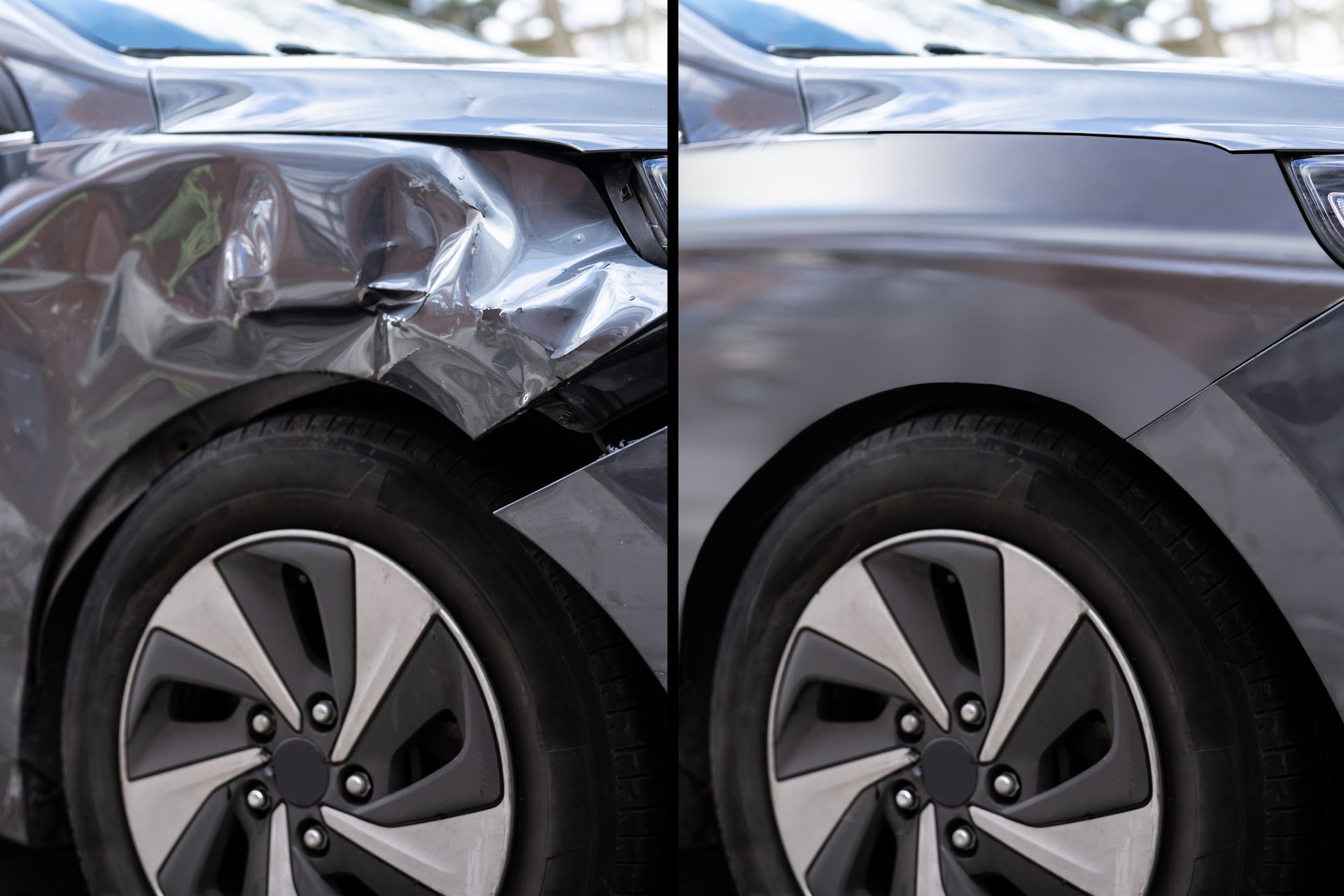
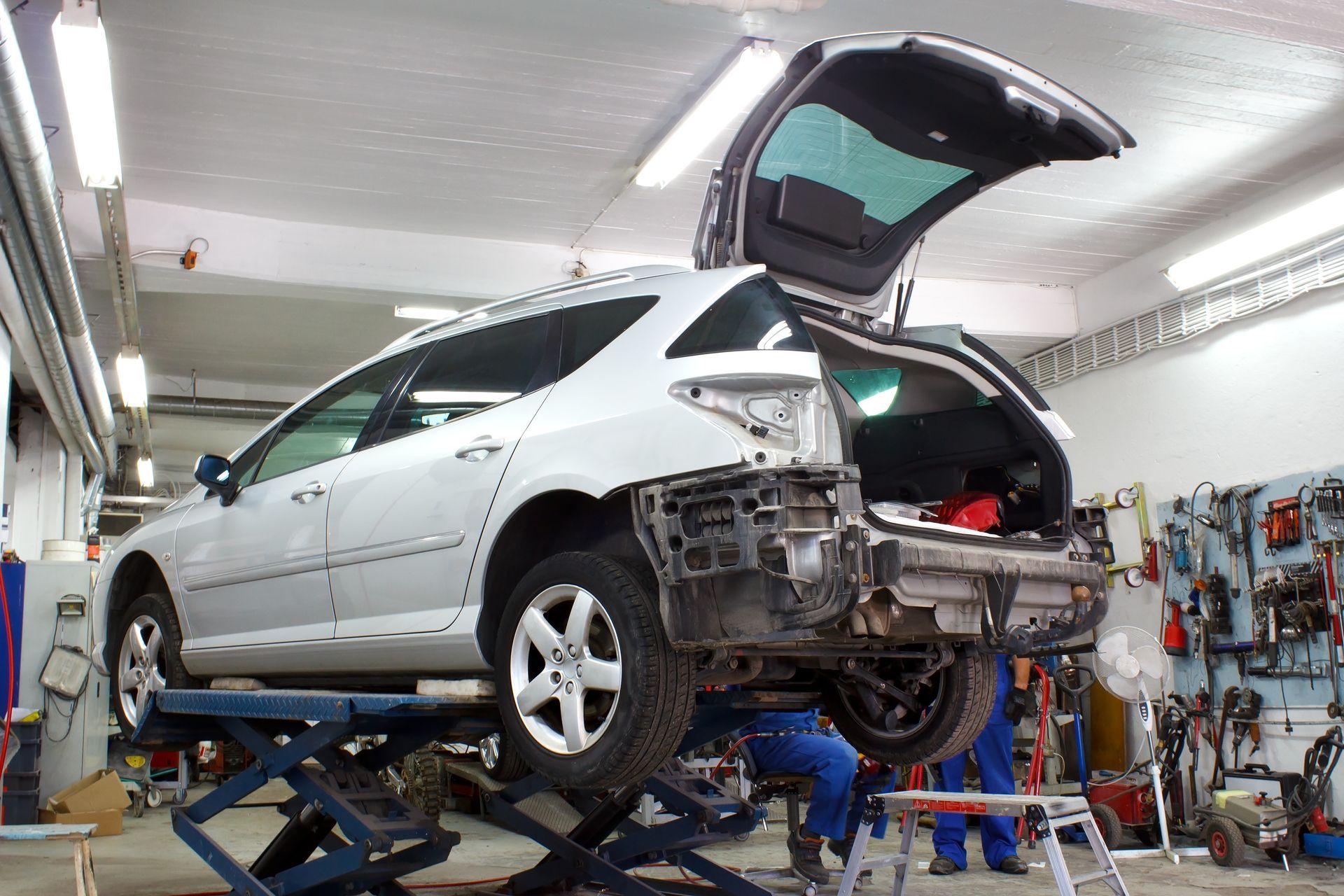
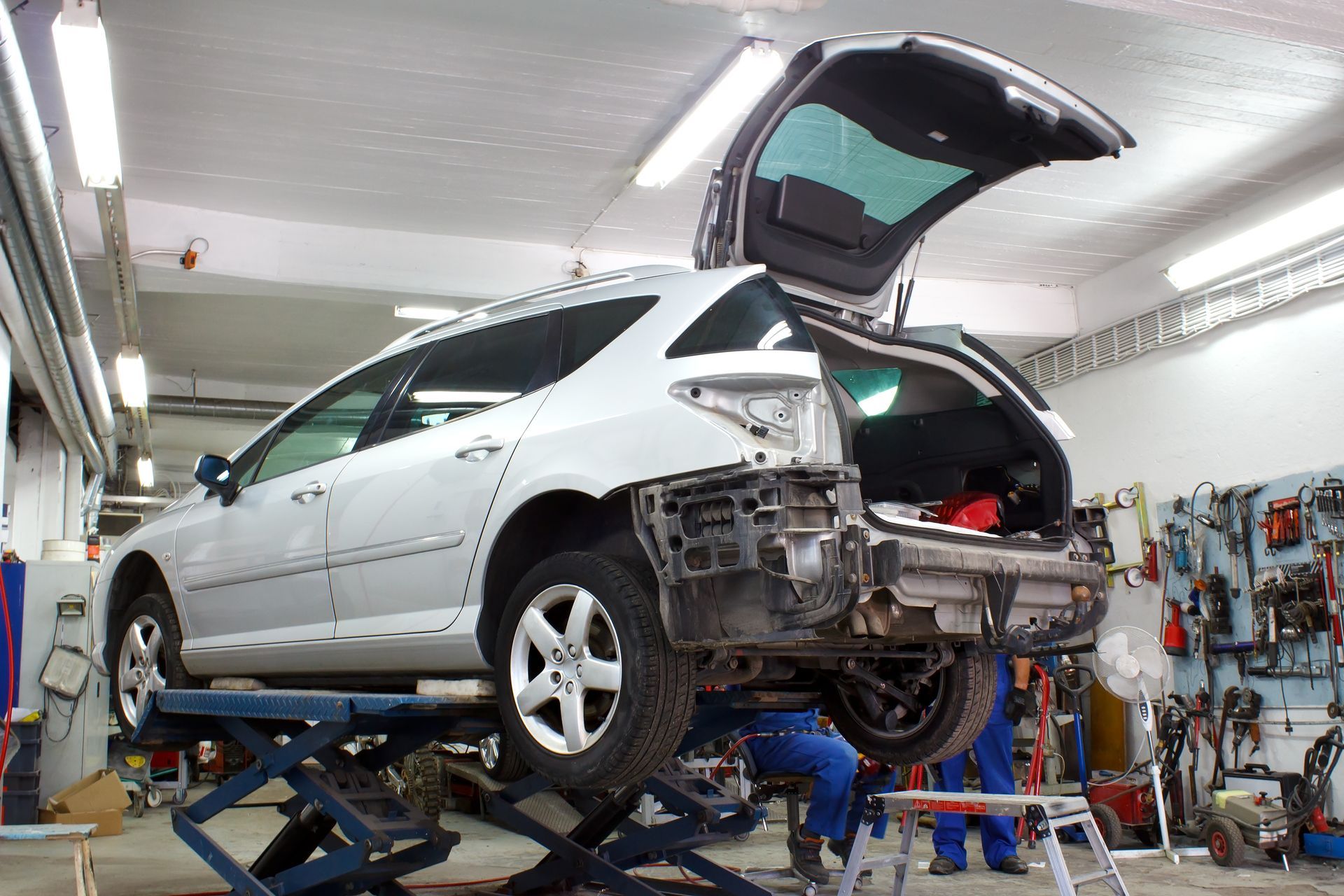
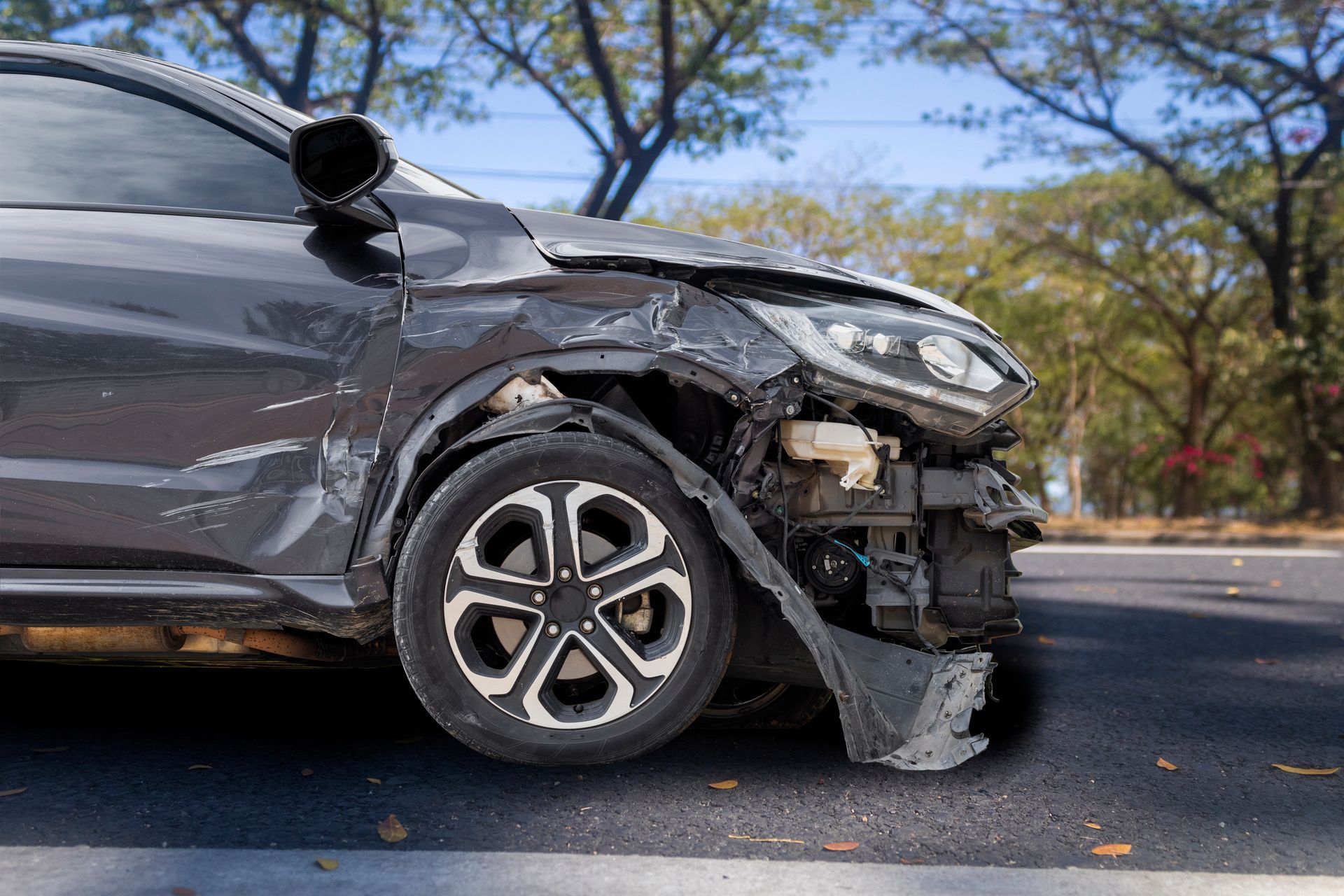
After a crash, the tow truck leaves, the claim is started, and then you hear it: “We recommend you use one of our preferred shops.” That can sound like a requirement, especially if the person on the phone makes it seem like your claim will be slower or more difficult if you go somewhere else.
In reality, you usually have more say in where your car goes than it feels like at that moment.
What “Preferred Body Shop” Means To Your Insurer
When an insurance company talks about a “preferred” or “network” shop, they are usually referring to a direct repair program. The insurer and the shop have an agreement about labor rates, parts guidelines, and how estimates are written. That relationship can streamline paperwork and payments, which is why the insurance company pushes it.
What it does not mean is that those are the only shops qualified to fix your vehicle. A preferred shop is still an independent business that chooses how it repairs cars and which procedures it follows. Some do excellent work, some cut corners you will not see until years later. The “preferred” label is about convenience for the insurer, not a guarantee of top-level repair quality.
Your Right To Choose Who Repairs Your Vehicle
In most places, you have the right to choose your own collision repair facility, regardless of what your insurance company prefers. They can recommend, but they generally cannot force you to go to a specific shop as a condition of paying for covered repairs. That choice matters because the shop is the one actually disassembling your vehicle, ordering parts, and making safety-related decisions.
If anyone tells you, “We will not warranty the repair if you do not use our shop,” that is a red flag. The repair warranty usually comes from the repair facility, not the insurer. A good independent body shop will stand behind its own work, explain its warranty clearly, and help you navigate the claim without giving up your right to pick who touches your car.
Common Myths About Insurance Company Shops
We hear a handful of myths over and over after an accident. One is, “If I do not go where they tell me, my claim will be delayed.” In practice, a well-organized shop can communicate directly with the adjuster, upload photos, and handle supplements just as quickly as a network shop. You might spend a few more minutes on the phone up front, but the entire repair does not suddenly grind to a halt.
Another myth is, “Preferred shops always use better parts.” In reality, many network agreements push for cheaper aftermarket or recycled parts whenever possible. Sometimes that is perfectly acceptable, other times, especially with newer vehicles, it may not be the best choice. When we look at a repair plan, we pay attention to what type of parts are being used and whether they follow the manufacturer’s repair procedures, not just what an agreement prefers.
How Preferred Shops Can Help, And Where They Fall Short
To be fair, there are real advantages to some preferred shop arrangements. Paperwork can move faster, supplements are often approved more quickly, and rental coverage details are usually well coordinated. For a minor bumper scrape, that convenience may be enough for some owners.
The tradeoff is that the shop has to balance your vehicle’s needs with program guidelines from the insurer. There can be pressure to repair parts that should be replaced, skip certain OEM procedures, or avoid items that push the cost higher. That is not true of every arrangement, but it is something we are aware of as technicians. Our priority is always that the structure, safety systems, and finish are right, even if it means a tougher conversation with the adjuster.
Questions To Ask Before You Authorize Repairs
Whether you choose a preferred shop or your own, a few straightforward questions can tell you a lot about how your vehicle will be handled:
Do you follow the manufacturer’s OEM repair procedures and have access to their current information?
- What kind of parts will you use: new OEM, aftermarket, or recycled, and can you explain why?
- Who actually warranties the work, and how long does that warranty last?
- How will you communicate supplements or hidden damage once the car is torn down?
- Can I see the estimate and have you walk me through the major repair steps before you begin?
A shop that is transparent and patient with these questions is usually more invested in doing the job correctly, not just quickly.
Owner Mistakes To Avoid After a Collision
The stress after a crash makes it easy to say yes to the first suggestion you hear. One common mistake is letting the tow truck driver decide where your vehicle goes without thinking it through. Another is signing repair authorizations you do not fully understand because you feel rushed or pressured by timing.
It also helps to avoid chasing the very lowest estimate when safety-related repairs are involved. A quote that looks much cheaper than the others often means something was left off or downgraded. When we look at a collision job, our focus is restoring structure, safety systems, and appearance properly, not winning a race to the lowest number on paper.
Get Collision Repair Help in Pompano Beach, FL with B & R Auto Body Works
If you have been told you “have to” use a specific shop and you are not comfortable with that, you still have options. We can explain how the claim process works, review your estimate, and coordinate directly with your insurance company while you keep the final say on your repair.
Schedule collision repair help in Pompano Beach, FL with
B & R Auto Body Works, and we will work to bring your vehicle back safely and correctly, not just quickly.