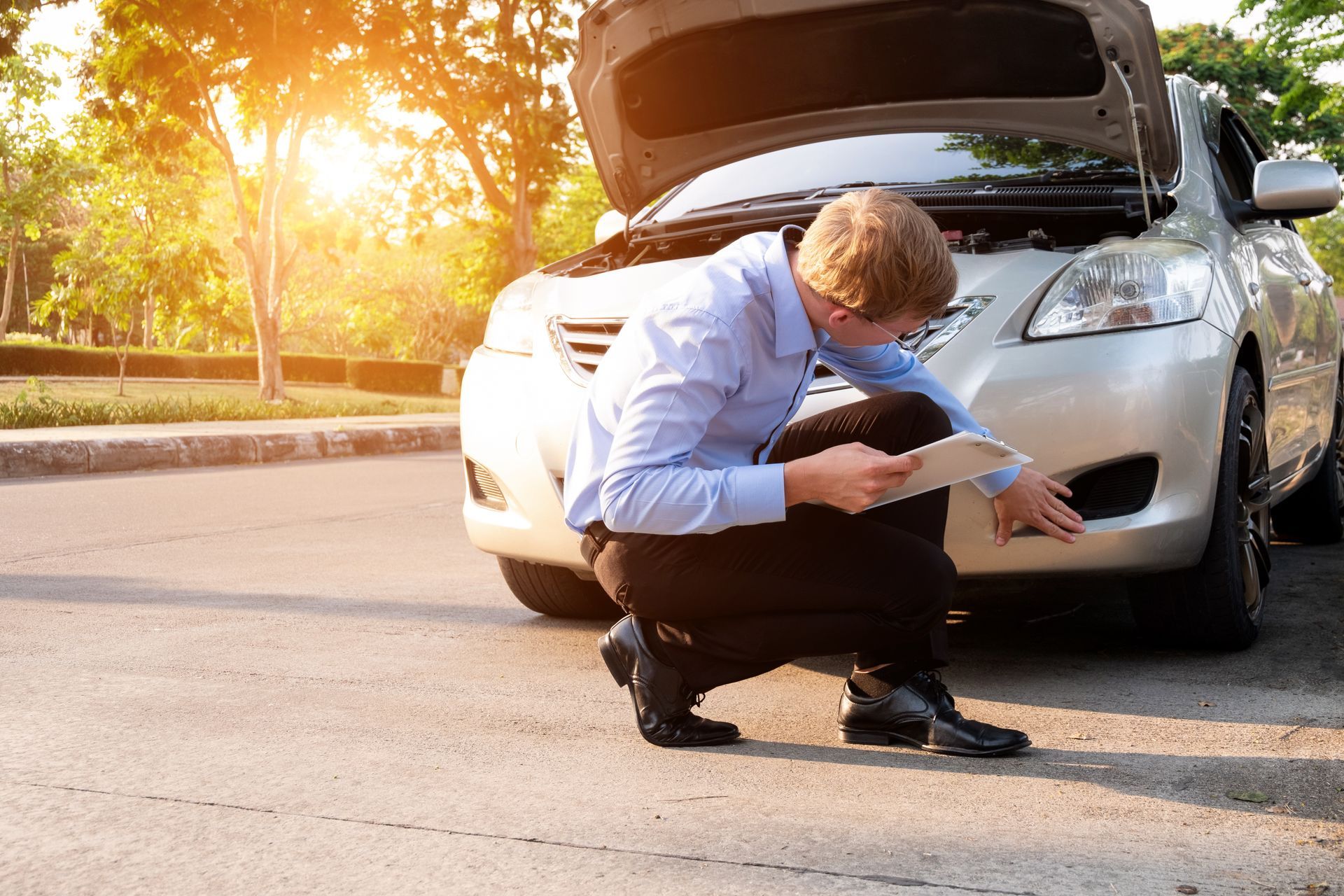
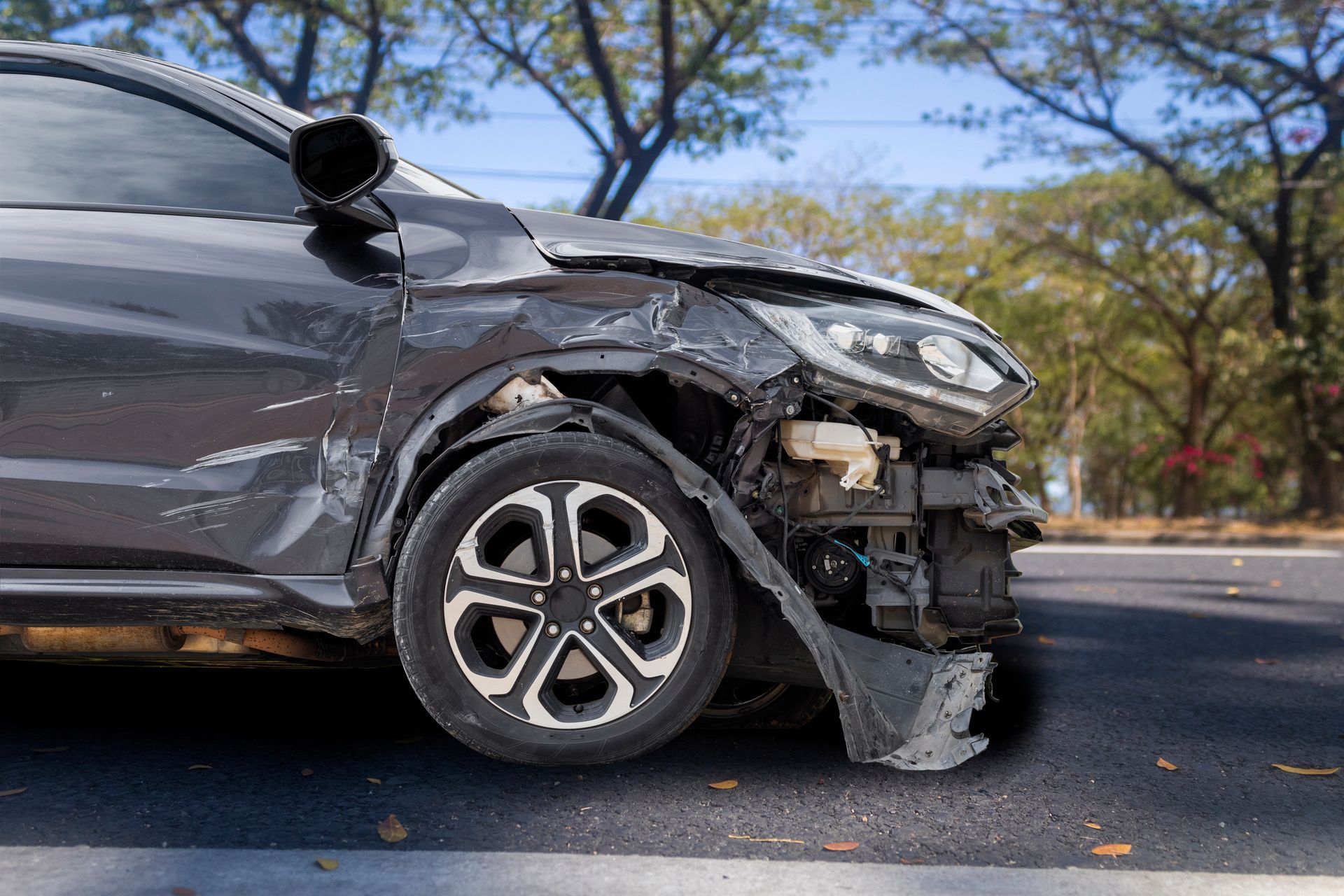
After a crash, the outside damage is the easy part to see. A dented bumper or scraped paint gives you something concrete to point at. The frustrating part is what you cannot see yet, the stuff that can change how the car drives, stops, and protects you.
A lot of hidden damage follows predictable paths, and once you know where those paths usually lead, you can make better decisions about driving it, repairing it, and making sure it is truly safe again.
How Crash Forces Travel Through Your Vehicle
Even a low-speed impact can send force through areas that look untouched. The bumper cover may flex back into place, but the energy still has to go somewhere. It usually travels into brackets, reinforcements, mounting points, and nearby structural metal.
This is why a car can look mostly fine from ten feet away, but feel off when you drive it. The impact can shift mounting points by small amounts, and even small shifts can throw off alignment, stress a radiator support, or crack plastic mounts that hold important components in place.
Structural Areas That Can Shift Without Obvious Kinks
Modern vehicles are built with crumple zones designed to absorb energy. That is a good thing, but it also means structure can deform in controlled ways that are not always obvious unless you measure it.
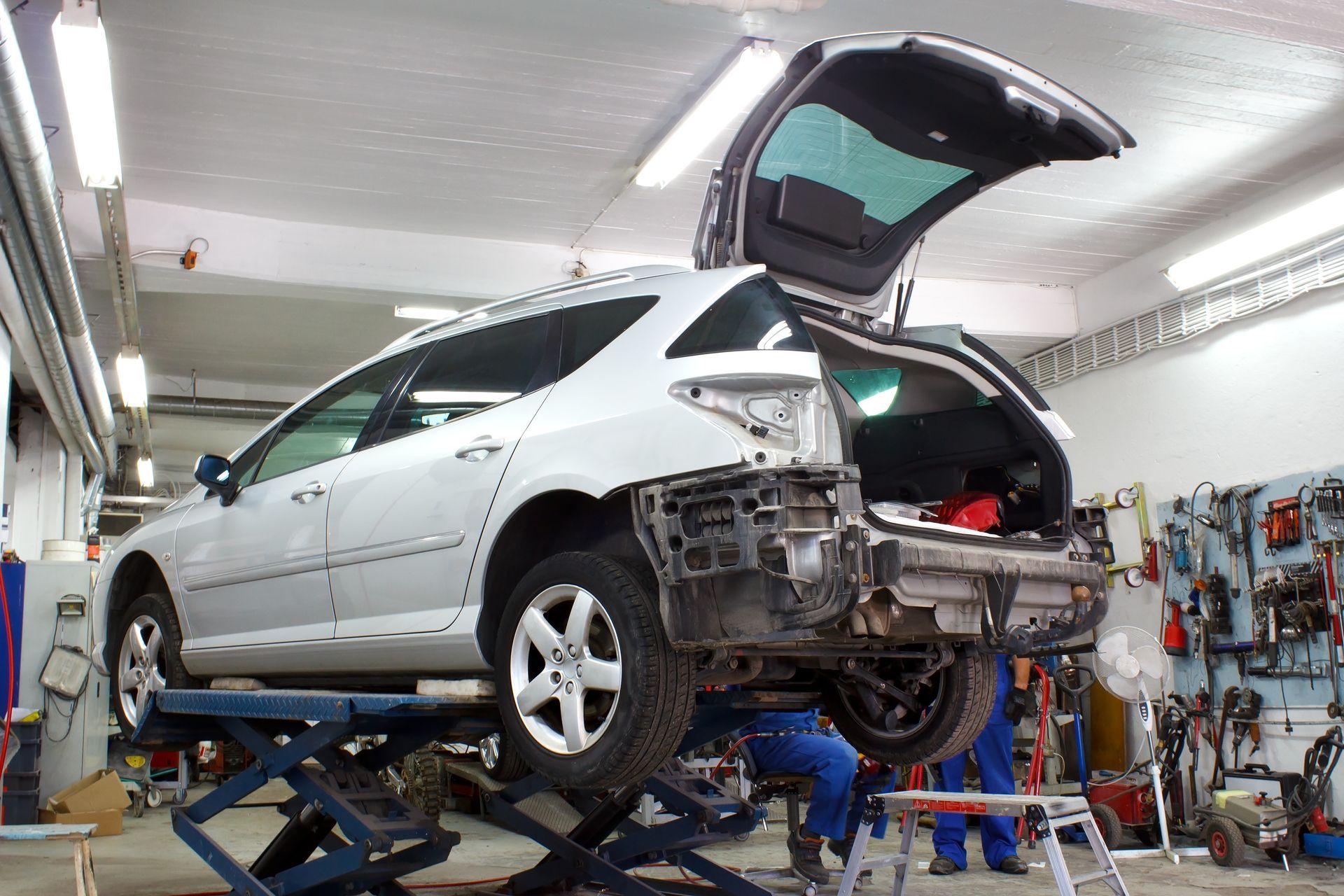
Hidden structural concerns often show up in areas such as the radiator support, rear body panel areas, trunk floor, inner fenders, and the mounting points where major components attach. If those points move, panels may not line up the same. Doors may sound different when they close. You might notice gaps that were not there before, or weather seals that do not sit the same.
In our shop, we often find that a bumper impact that looked minor on the surface bent brackets and supports behind it. Those parts can affect fitment and safety long before they look dramatic.
Steering, Suspension, And Wheel Damage That Changes The Drive
If a wheel took the hit or the impact was near a corner, suspension and steering parts deserve extra attention. A bent tie rod, control arm, strut, or knuckle can change alignment immediately. Sometimes the alignment is only slightly off at first, then tire wear shows up weeks later.
Common signs of suspension or steering damage include a steering wheel that is no longer centered, a pull while driving straight, vibration that was not there before, or a clunk over bumps. Wheel damage matters too. A wheel can bend on the inside barrel, where you cannot easily see it, and that can cause air loss or vibration.
If the vehicle feels nervous at highway speed after a crash, that is not something to ignore. Handling changes often tell you a part is bent or a mounting point moved.
Cooling System And Underhood Damage After Front Impacts
Front-end crashes can affect more than the bumper area. Radiators, condensers, cooling fans, and hoses sit close to the front of many vehicles. Even if nothing is leaking yet, mounts can crack, plastic tanks can stress, and small misalignments can create rub points that turn into leaks later.
Watch for temperature changes on the dashboard, coolant smell, or wet spots under the front end after driving. Also, pay attention to the A/C. If it suddenly blows warmer, the condenser may have been damaged, or airflow through the front stack may be restricted.
A crash can also push components just enough to contact something they should not, like a hose touching a pulley area or a wiring loom rubbing on a sharp edge. Those problems can start quietly and grow into bigger issues later.
Safety Systems And Sensors That Need Calibration
Many newer vehicles use cameras, radar sensors, and impact sensors to support safety systems. After a crash, even a small misalignment can affect how those systems function. That does not always trigger an obvious warning right away, but it can reduce accuracy when you need it most.
Depending on the vehicle, hidden damage can involve sensor brackets, wiring, connectors, or the mounting surfaces that keep a camera aimed correctly. You may also see dashboard warnings for airbags, ABS, traction control, or driver-assist features. Those warnings should not be brushed off as minor because they can point to a system that is no longer operating as designed.
A proper repair plan often includes scanning for codes and confirming that safety systems are restored, not just clearing lights.
A Mini Decision Guide For Driving After A Crash
If you are unsure whether it is safe to drive, a few practical checks can help you decide. These do not replace an inspection, but they can keep you from making a bad call in the moment.
- If a wheel is tilted, rubbing, or the steering wheel is off-center by a lot, do not keep driving it.
- If you see leaking fluid, smell coolant or fuel, or notice steam, shut it down and get help.
- If the brake pedal feels different, the car pulls hard, or braking feels inconsistent, stop driving and have it checked.
- If airbags are deployed or the dashboard shows airbag warnings, treat it as a tow situation.
- If the car vibrates badly or makes new clunks over small bumps, assume something is bent and get it inspected.
We have seen vehicles that seemed drivable after a crash, but a closer look revealed suspension damage that would have chewed through a tire quickly. Catching that early saves money and prevents a second problem.
Get Collision Inspection And Repair in Pompano Beach, FL, with B & R Auto Body Works
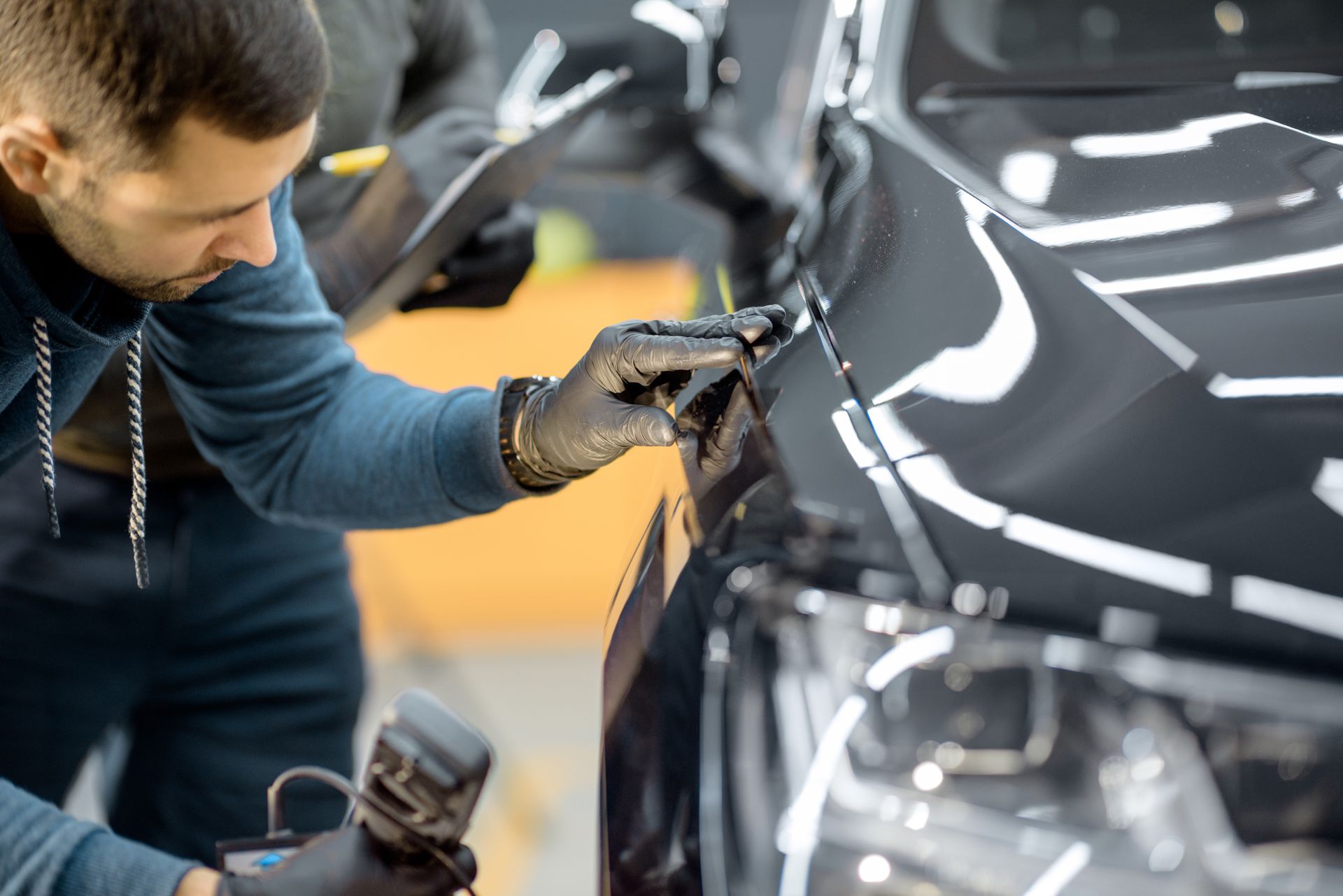
We can inspect for hidden damage after a crash, including structural areas, suspension and steering components, and underhood concerns that do not show up in a quick walk-around. We’ll document what is bent or broken, explain what needs attention, and help you restore the vehicle the right way.
Call
B & R Auto Body Works in Pompano Beach, FL, to schedule a post-collision inspection and repair plan.