Sun damage sneaks up on a vehicle. The paint looks fine one season, then a few months later, the finish seems flatter, duller, and older than it should be. A lot of drivers expect scratches, chips, and road debris to wear down the paint first. In reality, steady sun exposure will age the finish much faster than most people realize.
That damage starts long before the color change becomes obvious.
Why Sun Exposure Does More Than Heat Up The Surface
Sunlight does not just warm the paint. Ultraviolet rays break down the chemicals that help the finish hold its color, depth, and gloss. Once that process starts, the paint loses some of the protection that keeps it looking rich and even.
The clear coat takes the first hit. That outer layer is supposed to shield the color underneath, though constant exposure wears it down over time. Once the clear coat begins weakening, the surface dries out, loses shine, and becomes much more vulnerable to fading.
Why Some Cars Fade Faster Than Others
Two vehicles parked in the same lot will not always age at the same rate. Paint color, climate, parking habits, and the condition of the finish all influence how quickly the damage shows up. A car that sits in direct sun every day will age much faster than one that spends more time covered or shaded.
Dark colors usually show the effects sooner because they absorb more heat and highlight dullness more clearly. Older finishes fade faster, especially if the paint has already lost some of its protective layer from years of washing, weather exposure, and neglect. Once the surface starts drying, the sun speeds up the process.
How The Damage Usually Starts
Paint fading rarely begins as one dramatic patch. It usually starts with subtle changes that are easy to miss during everyday driving.
- The paint looks flatter in the hood or roof area
- The color seems lighter or less even in direct sunlight
- The surface loses that deeper glossy look after washing
- The top panels feel rougher or more chalky than lower panels
- Certain areas look older than the rest of the vehicle
These signs tend to show up first on the hood, roof, trunk lid, and tops of the fenders because those panels take the most direct exposure. Once you can see the change from a few feet away, the finish has already been under stress for quite a while.
Clear Coat Failure Is Where Things Get Expensive
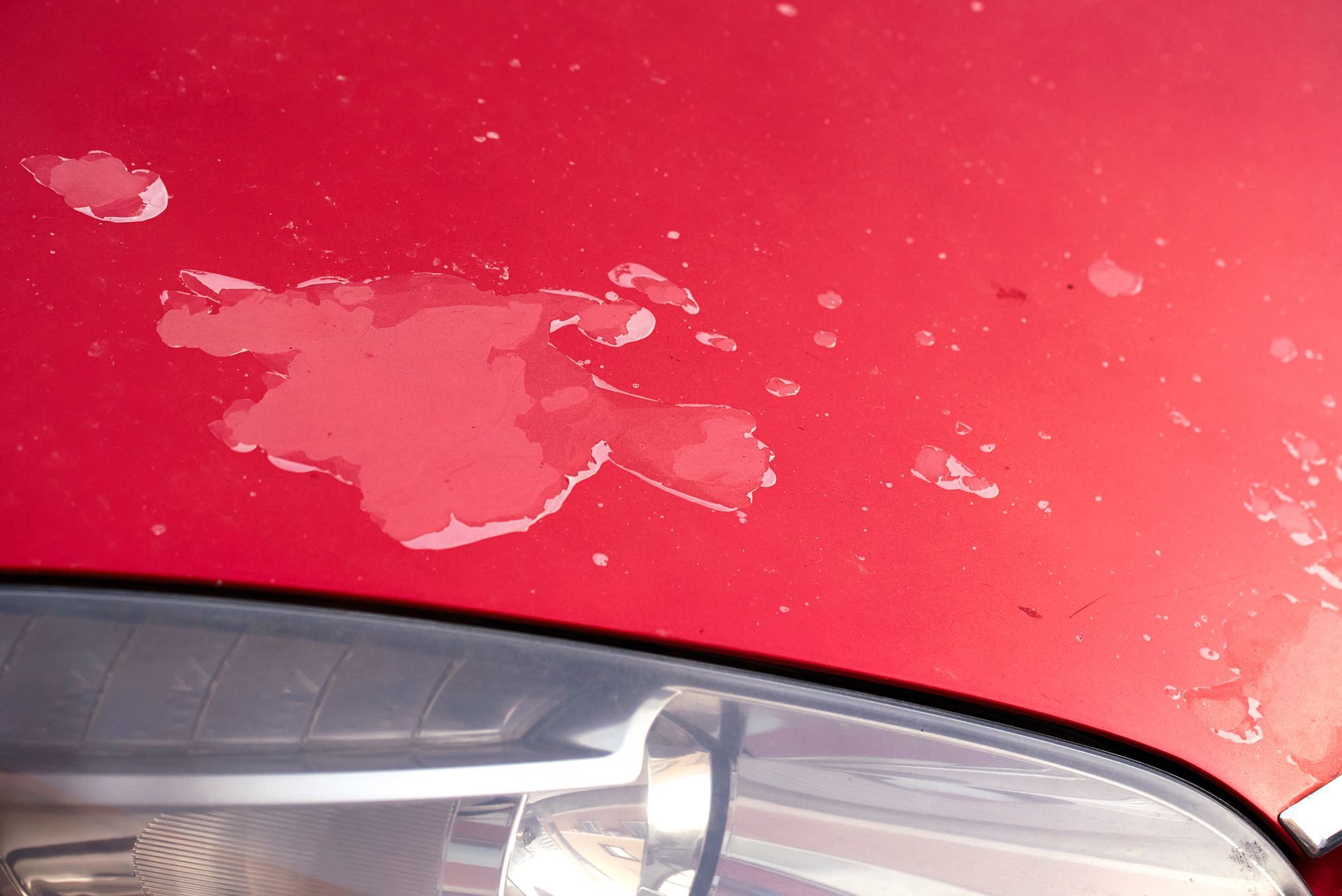
There is a big difference between light fading and clear coat failure. Fading dulls the appearance and weakens the finish. Clear coat failure means the top layer is breaking apart, peeling, or losing adhesion across the panel. At that stage, polishing will not solve the problem because the protection itself is already failing.
This is where a lot of drivers lose valuable time. They keep washing and waxing the vehicle, hoping the shine will return, though the surface has already moved beyond basic restoration. Once the clear coat gives out, refinishing the affected panels is usually the only way to restore a clean, even look.
Heat, Dirt, And Weather Make It Worse
Sun damage does not work alone. Heat bakes the finish day after day, airborne contamination sits on the surface longer, and weather shifts keep stressing the paint. In coastal and humid areas, salt, moisture, and intense sun create an especially hard environment for exterior finishes.
That combination is why the top surfaces usually wear out first. The vehicle keeps taking UV exposure, heat cycling, and contamination in the same vulnerable areas over and over. Paint care is not always treated like regular maintenance, though the finish's condition changes significantly depending on how consistently it is protected.
How To Slow Down Fading Before It Gets Worse
You do not have to wait until the paint looks worn out. The best results come from protecting the finish before the clear coat starts breaking down.
Parking in covered areas whenever possible makes a real difference. So does washing off built-up residue, applying quality paint protection, and correcting early oxidation before it spreads. An inspection of the finish is useful, especially if the hood, roof, or trunk already looks duller than the rest of the vehicle.
We usually tell drivers the same thing here: once the shine starts to drop on those upper panels, it is smart to act early. A protected finish holds up better, looks better, and gives you more options than waiting until the damage becomes obvious from across the lot.
Why Early Attention Saves The Paint
Paint damage gets more expensive the longer it sits. A finish that only needs correction and protection today may need refinishing later if the surface keeps drying out in the sun. Once fading deepens and clear coat failure begins, the repair becomes much more involved.
That is why early care makes such a difference. Restoring shine is one thing. Saving the paint before it starts peeling is a much smarter move. The sooner the surface is evaluated, the better the chance of preserving the original finish in good condition.
Get Paint Protection In Pompano Beach, FL, With B & R Auto Body Works
If your vehicle’s paint is starting to look dull, faded, or uneven from sun exposure, B & R Auto Body Works in Pompano Beach, FL, can inspect the finish and help you decide whether protection, correction, or refinishing is the right next step.
Bring it in before the Florida sun turns light fading into full clear coat failure.