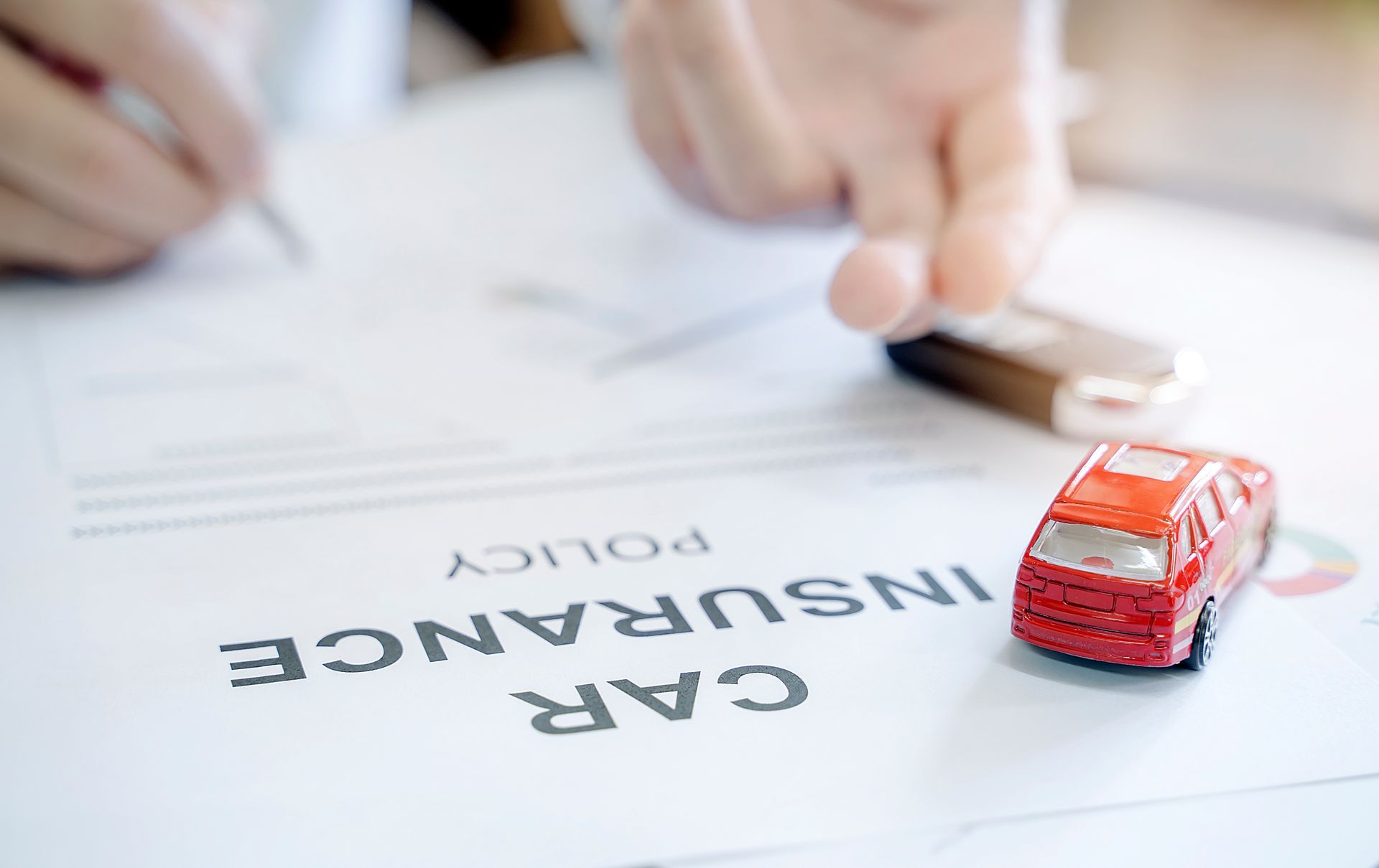
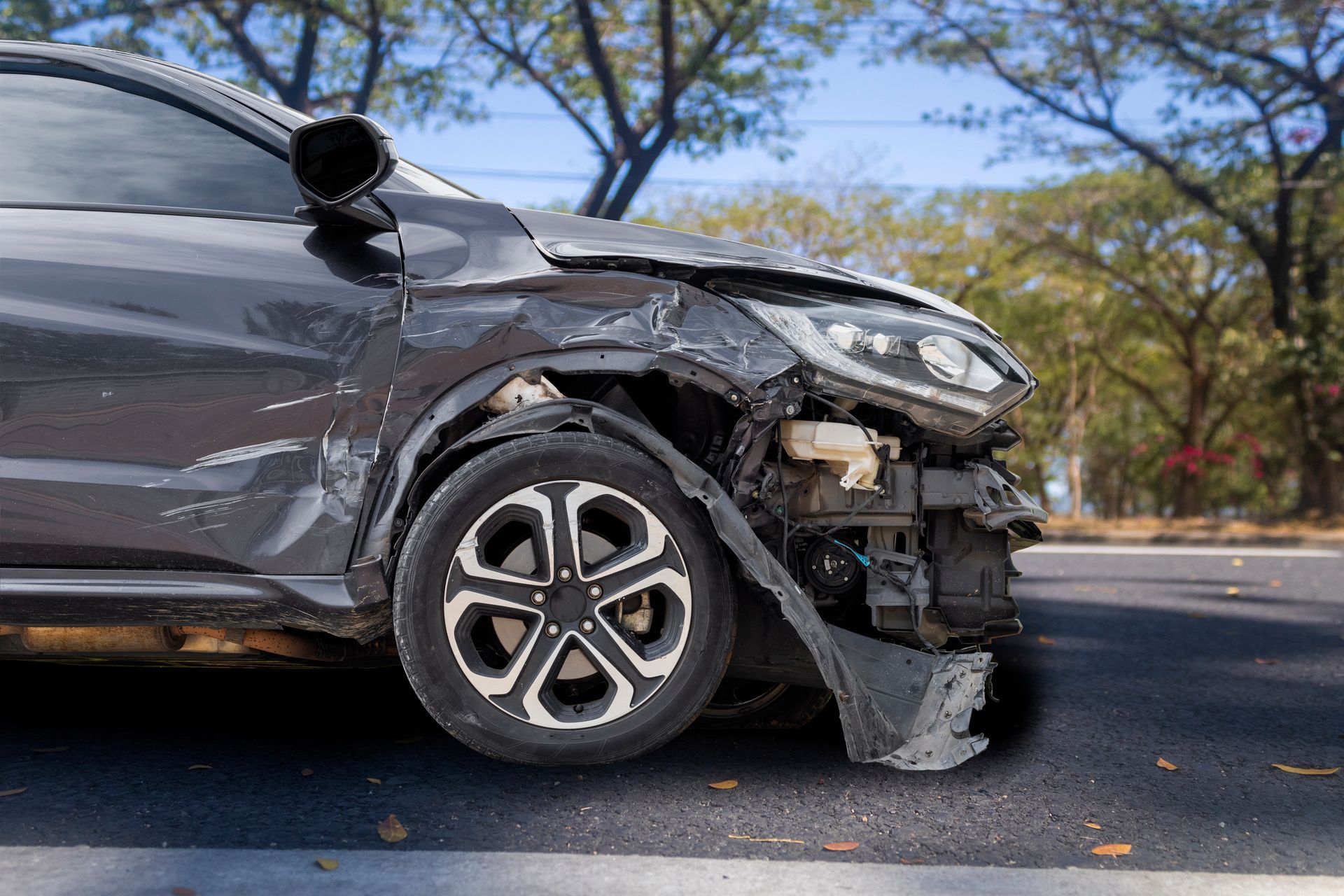
Once a collision repair is finished and the car looks right again, the paperwork is easy to forget. The final bill goes in a glove box, insurance emails get buried, and accident photos disappear somewhere on your phone. Months later, you may need those records for a warranty question, another repair, an insurance claim, or when you decide to sell the vehicle.
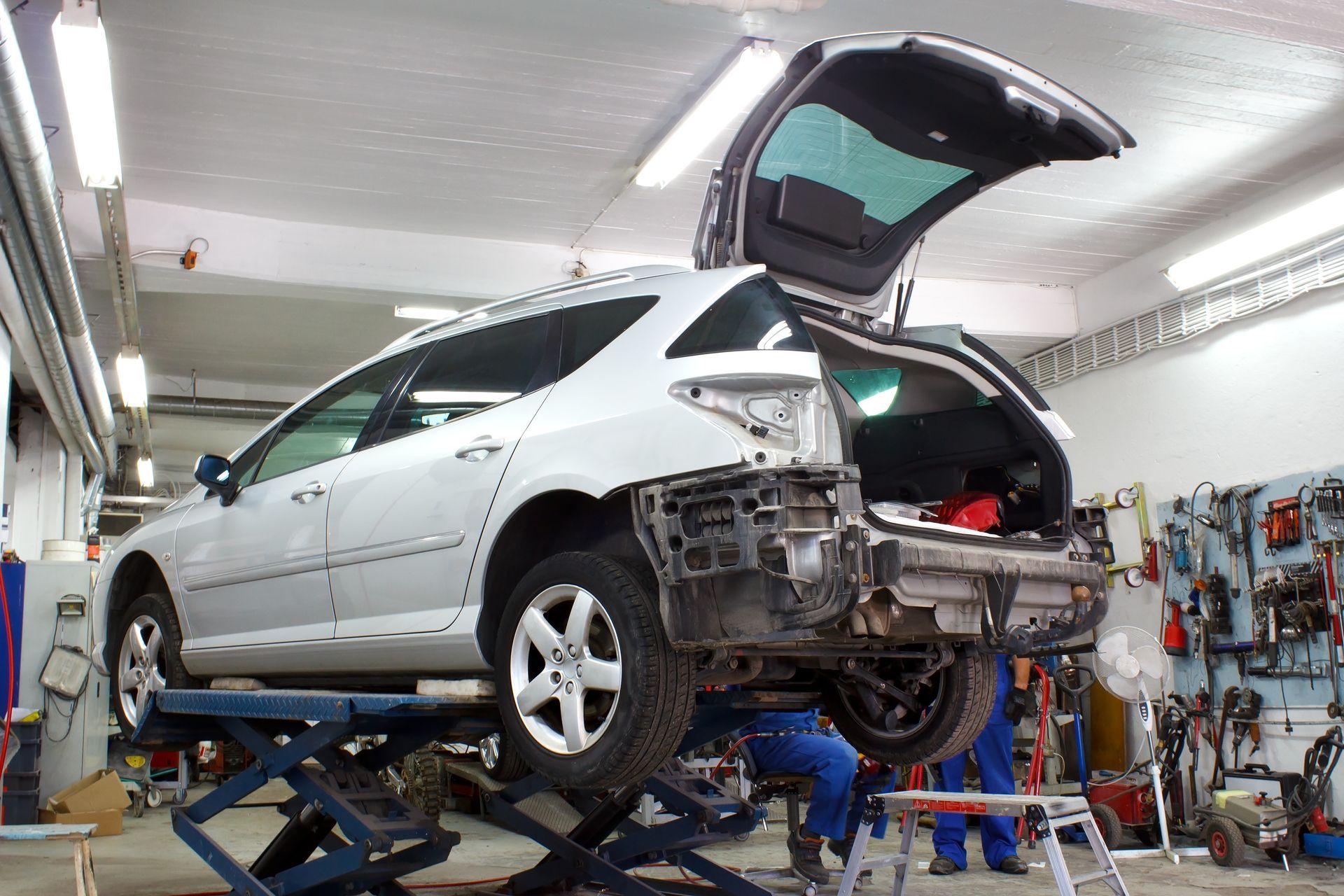
Collision work can involve much more than replacing a bumper or refinishing a fender. Parts may have been replaced behind the panels, wheel alignment could have been corrected, and cameras or radar sensors may have needed calibration. Keeping a clear record of what was actually done gives the next technician, insurer, or buyer something more useful than a vague note that the car was repaired.
Keep the Final Repair Order, Not Just the Original Estimate
The estimate you received at the beginning of the repair is useful, but it may not show everything that happened. Once a damaged bumper, fender, or interior panel comes off, technicians sometimes find additional damage that couldn’t be seen during the first inspection.
The final repair order should reflect the work actually completed. Keep the version that lists repaired and replaced parts, refinishing work, labor operations, and any mechanical work tied to the collision. If you ever come back with a fitment issue, unusual noise, or question about what was replaced, that document gives the shop a much better starting point.
Save Any Supplemental Estimates or Insurance Approvals
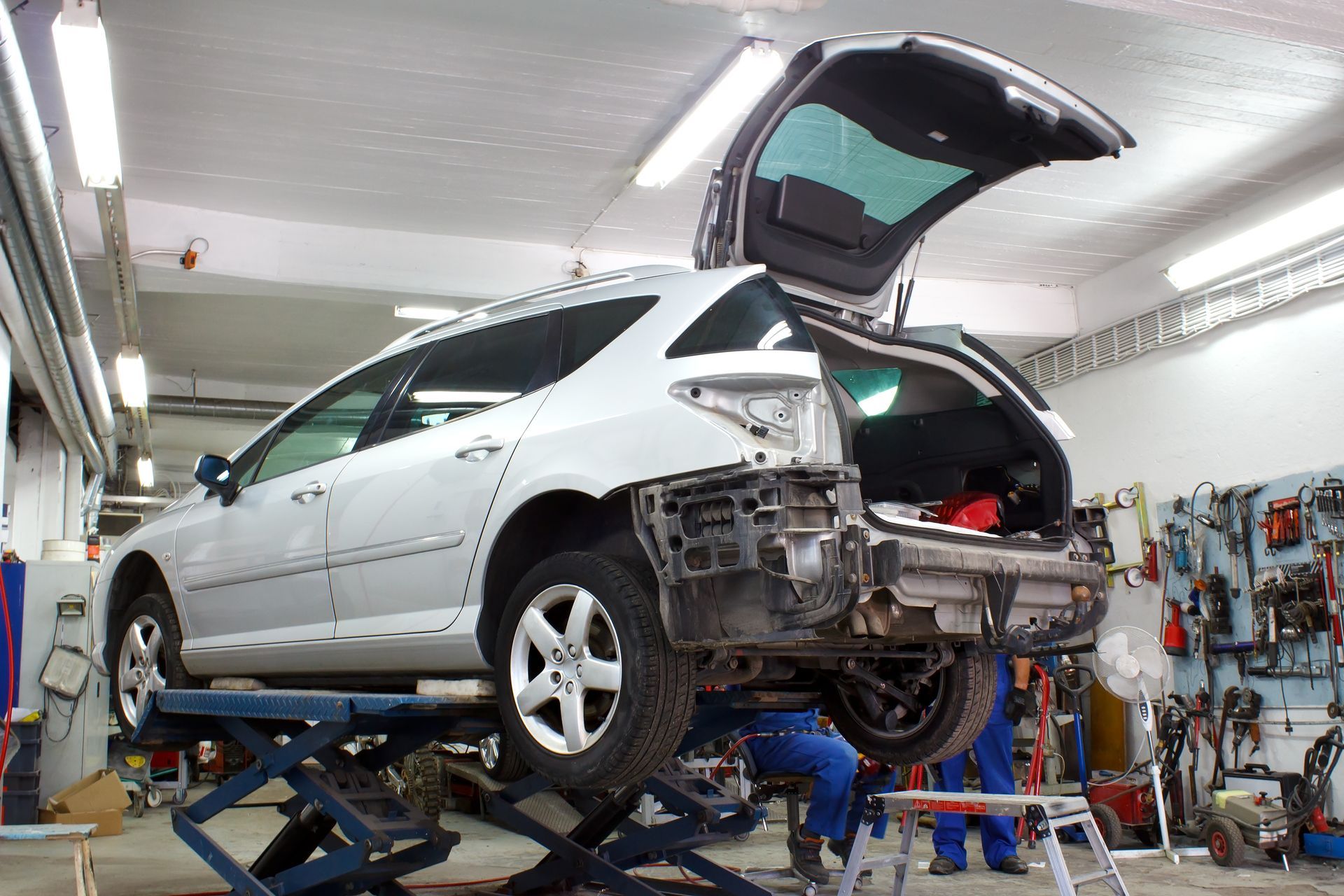
Hidden collision damage can lead to a supplement after disassembly. For example, a bumper cover may hide a bent reinforcement, broken absorber, damaged sensor bracket, or cracked mounting point. Those additional repairs may be approved separately from the original estimate.
Keep those supplemental documents with the final repair order instead of treating them as duplicate paperwork. Together, they show how the repair changed once the vehicle was opened up. They can also explain why the final total or completion date differed from the first estimate.
Hold Onto Alignment, Scan, and Calibration Reports
Modern collision repair can involve electronic systems that aren’t visible once the vehicle is put back together. If a wheel or suspension part was affected, there may be a wheel alignment report. If the vehicle has advanced driver-assistance features, cameras or radar units may have required calibration after a bumper, windshield, suspension, or sensor-related repair.
At our shop, we consider these records especially useful because they document work beyond body and paint. Pre-repair and post-repair scans can also show which faults were present and whether related systems were checked after repairs. If an adaptive cruise, lane assistance, parking sensor, or steering concern appears later, having those reports can save time.
Keep Parts and Repair Warranty Information Together
Collision repairs can involve several types of parts, and warranty coverage may differ between the part itself and the labor used to install it. Keep any paperwork that explains what coverage applies, how long it lasts, and what you need to provide if a problem develops.
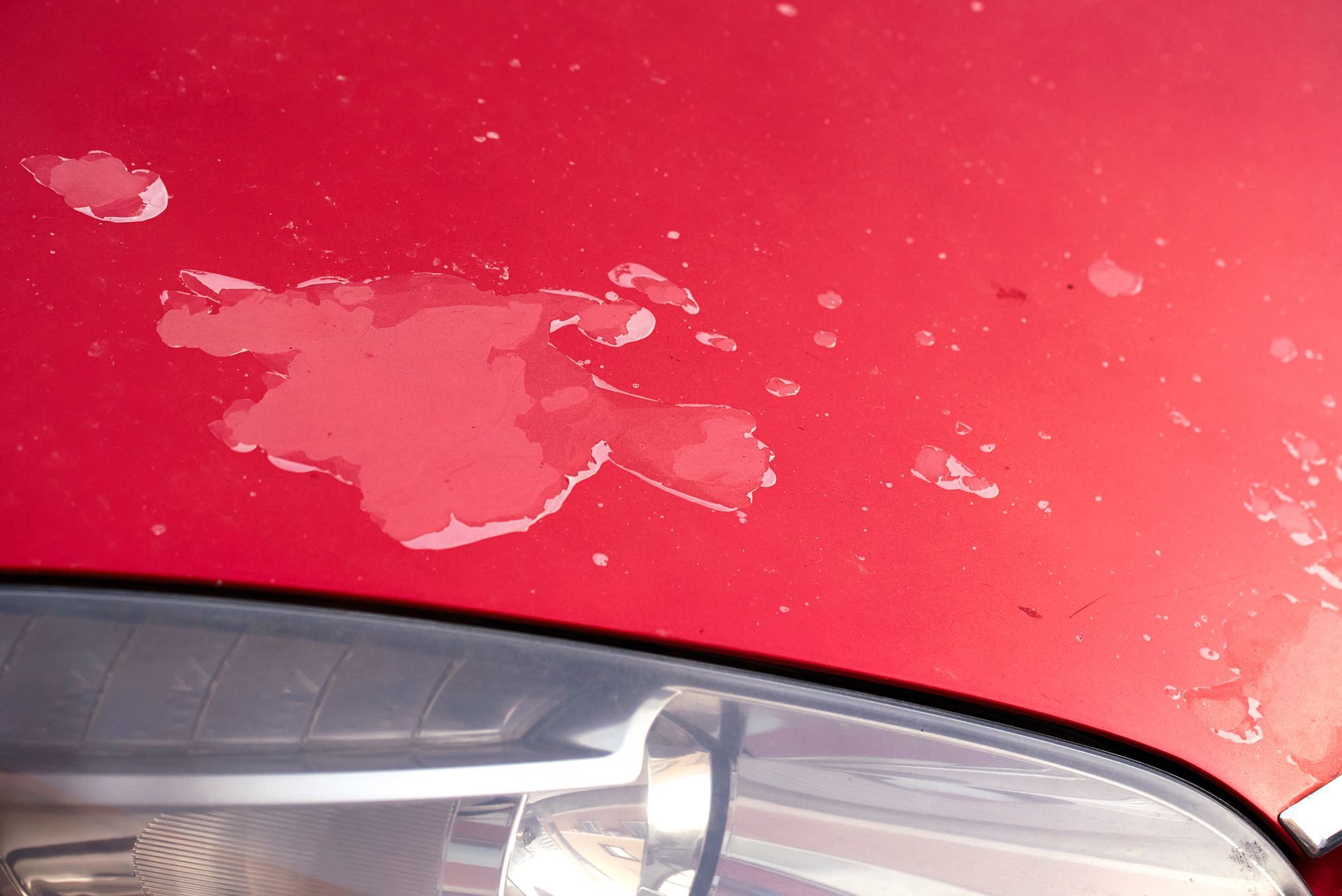
Don’t rely on remembering who made the replacement headlight or when a panel was installed. A year or two later, those details can be difficult to reconstruct. Keeping the invoice and warranty terms together makes it easier to determine whether peeling paint, a failed replacement component, or another repair-related concern might still qualify for coverage.
Photos Are More Useful Than Most Owners Expect
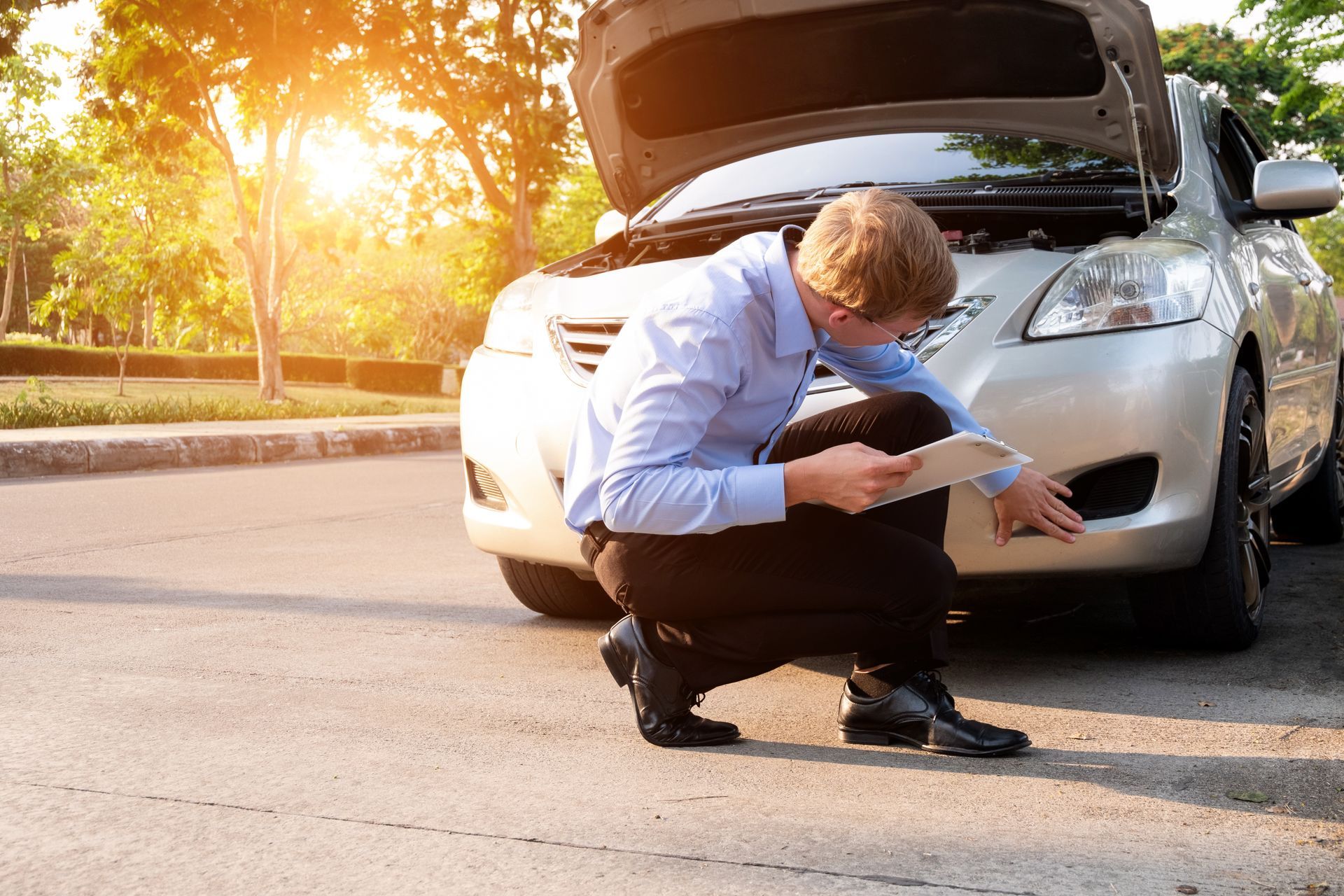
If you have photos from before the repair, keep them. Wide shots showing the impact area help, but closer photos of the damaged wheel, bumper, light, hood, door, or quarter panel can be even more useful. If the repair shop or insurer provided disassembly photos, save those too.
Pictures can help explain what happened if a problem develops later in the same area. They’re also useful if the vehicle is involved in another collision. A technician can compare old damage with new damage instead of trying to determine everything from repaired panels and memory.
Keep Insurance and Payment Records
Save the insurance estimate, supplement approvals, deductible receipt, towing paperwork, and final proof of payment. You don’t need to print every email in the claim, but keeping the important documents together gives you a clear timeline of who authorized and paid for each part of the repair.
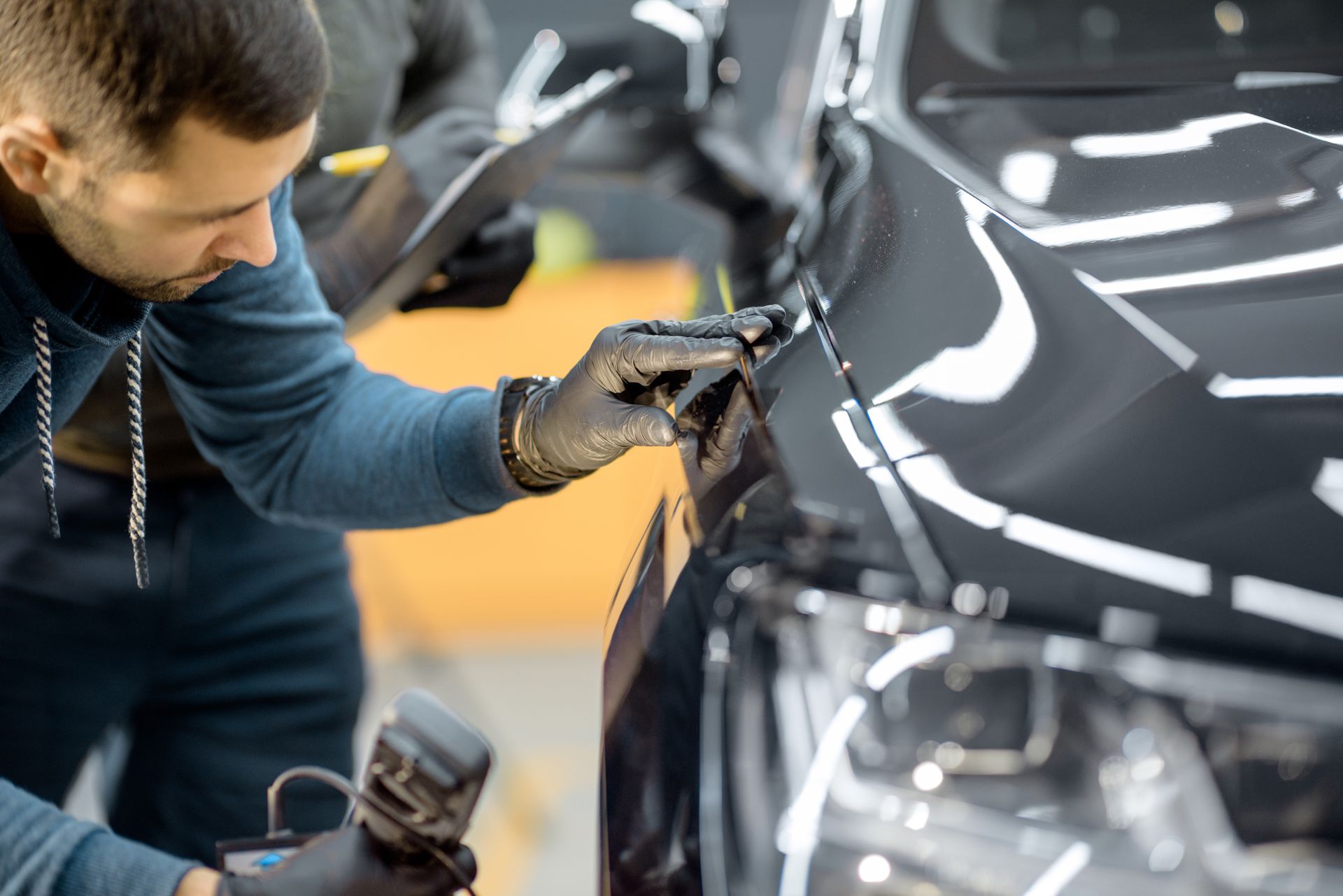
These records can also help later when selling or trading the vehicle. A future buyer may already know the car has a collision on its history report. Showing that the damage received a professional inspection and documented repair is much more useful than simply saying the accident wasn’t serious. Keep these records separate from regular maintenance paperwork so the collision history is easy to follow.
Get Collision Repair Service In Pompano Beach, FL, With B & R Auto Body Works
If your vehicle needs collision repair, B & R Auto Body Works in Pompano Beach, FL, can document the work performed and help you understand the repair paperwork you receive when the job is complete.