A paint job can look decent in the shade and still fall apart under bright sun, parking-lot lights, or the first real wash. Most paint failures are not bad luck. They come from rushed prep, shortcuts in materials, or steps skipped because they are not immediately visible.
Paint quality is built before the color ever goes on.
1. Skipping Proper Surface Prep And Feathering
The fastest way to a wavy finish is sanding that stops too soon. Old clear coat edges, rock chips, and prior repair lines need to be feathered properly so the new layers lay flat and bond evenly. If you spray over sharp edges, the repair can print through later, and you end up seeing the outline of the old damage.
Prep is also about consistency. The panel needs an even scratch pattern and the right grit for the products being used, otherwise primer and base coat do not sit the same across the surface. A clean, uniform foundation is what makes the final gloss look like one piece, not a patch.
2. Poor Cleaning And Contamination Control
Paint does not stick well to silicone, wax, road film, or oily fingerprints. If the panel is not cleaned and decontaminated correctly, you can get fisheyes, craters, or tiny specks trapped under the clear that you feel with your hand. Those defects often show up after delivery because heat and sun make them stand out.
Contamination also comes from the shop environment. Dirty air lines, unfiltered spray areas, and reused rags cause problems that look like bad paint, even when the painter is skilled. Good work means controlling the surface and the air around it, not hoping the clear coat hides everything.
3. Using The Wrong Primer Or Building It Incorrectly
Primer is not one universal product. Different substrates and repair areas call for specific primers, sealers, and cure times, and the wrong choice can lead to shrink-back and visible sanding marks weeks later. Too much build can be just as bad as too little because heavy primers can trap solvents and move as it cures.
The other issue is sanding primer without a plan. If the primer is sanded unevenly, the base coat can lay blotchy, and metallic colors can shift tone from one section to another. This is where a careful inspection of the primed surface pays off because you can correct the panel before color makes every flaw harder to fix.
4. Rushing Base Coat And Clear Coat Timing
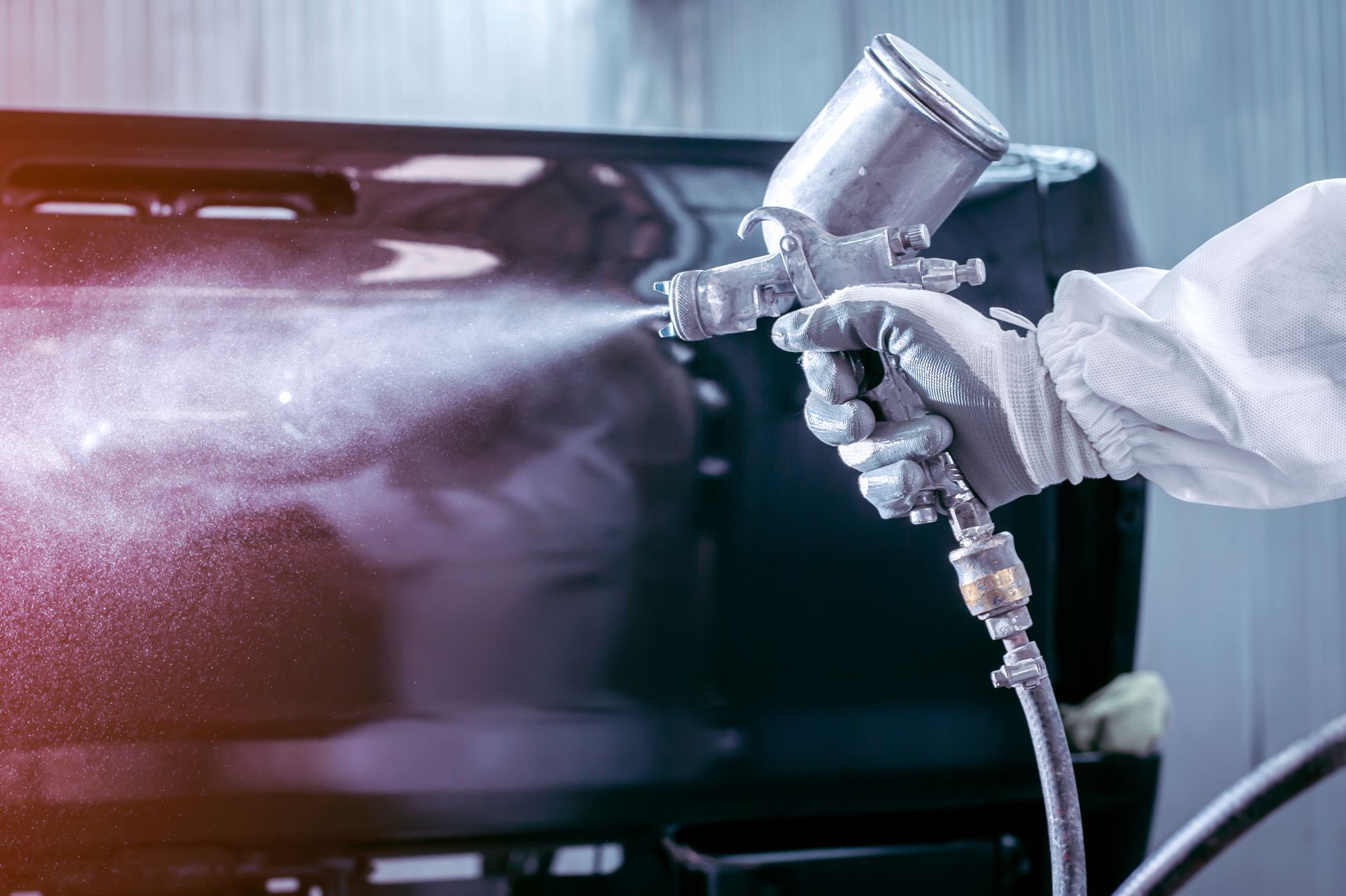
Paint products need flash time between coats. If the base coat is rushed, solvents get trapped, and the finish can wrinkle, haze, or die back in gloss after a few weeks. If the clear coat goes on too soon, it can lock in solvent and create long-term durability problems that show up as peeling or edge lifting.
Temperature and humidity matter too. Spraying in the wrong conditions changes how materials flow and cure, and you can end up with dry spray texture or cloudy clear. Shops that slow down and follow the process get a finish that stays stable, which is what customers actually want.
5. Bad Masking, Hard Tape Lines, And Overspray
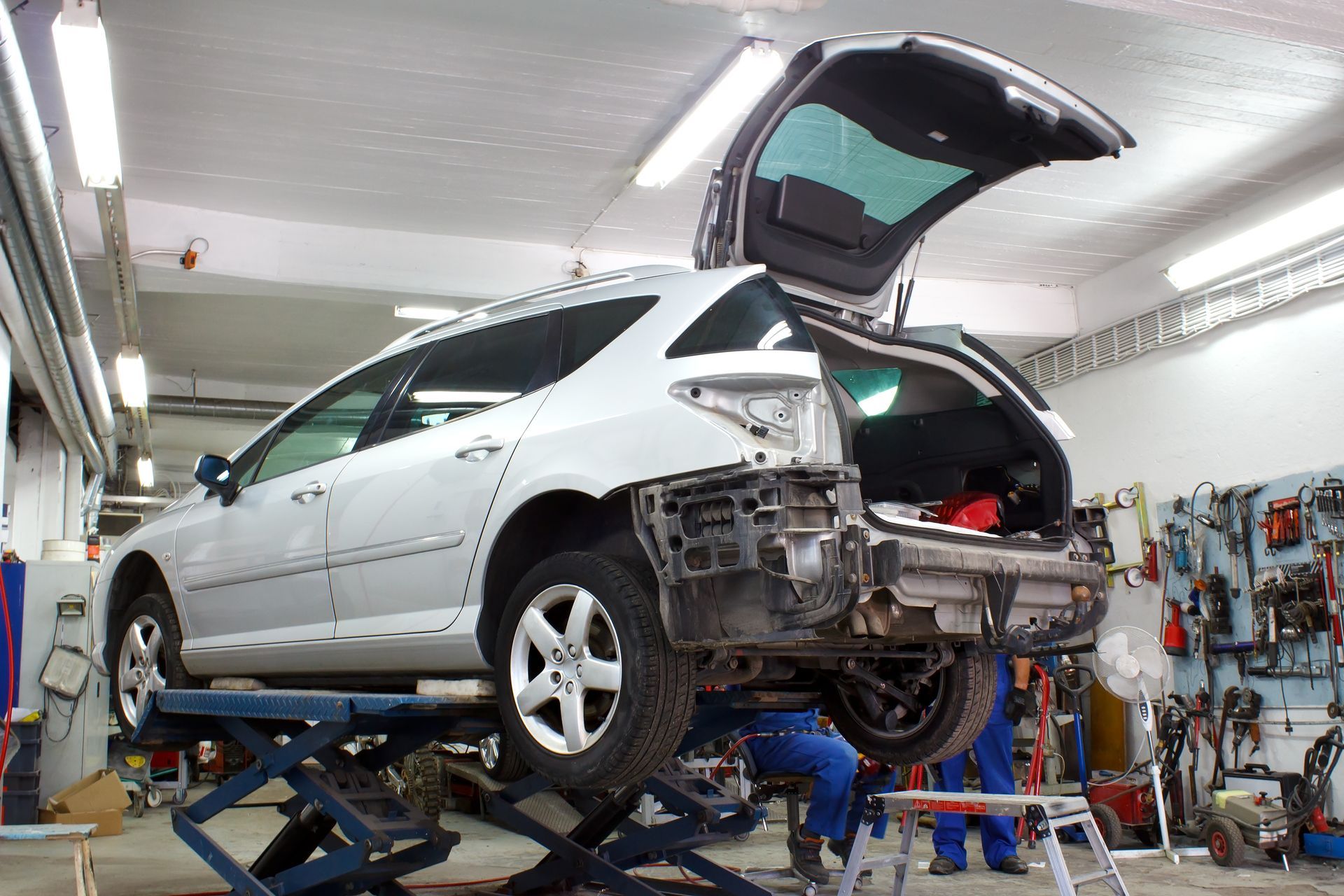
Masking is an art, and sloppy masking creates a mess that is hard to unsee. Hard tape lines, overspray on trim, and paint dust in door jambs are the details that make a repair look cheap. Even worse, poor masking can leave edges that start peeling because the clear coat was not properly wrapped or blended.
A good paint job protects what should not be painted and finishes edges cleanly. That includes removing or loosening trim when it makes sense, back-taping for soft edges, and keeping panel gaps clean. If a shop tries to save time here, it usually costs the customer in terms of appearance and durability.
6. Skipping Final Refinishing And Quality Checks
Even a well-sprayed panel can look average if the final finishing is rushed. Dirt nibs, light orange peel, and small texture differences can often be corrected during the final cut and polish process. When that step is skipped, the repair can look slightly dull or mismatched next to surrounding panels, especially on dark colors.
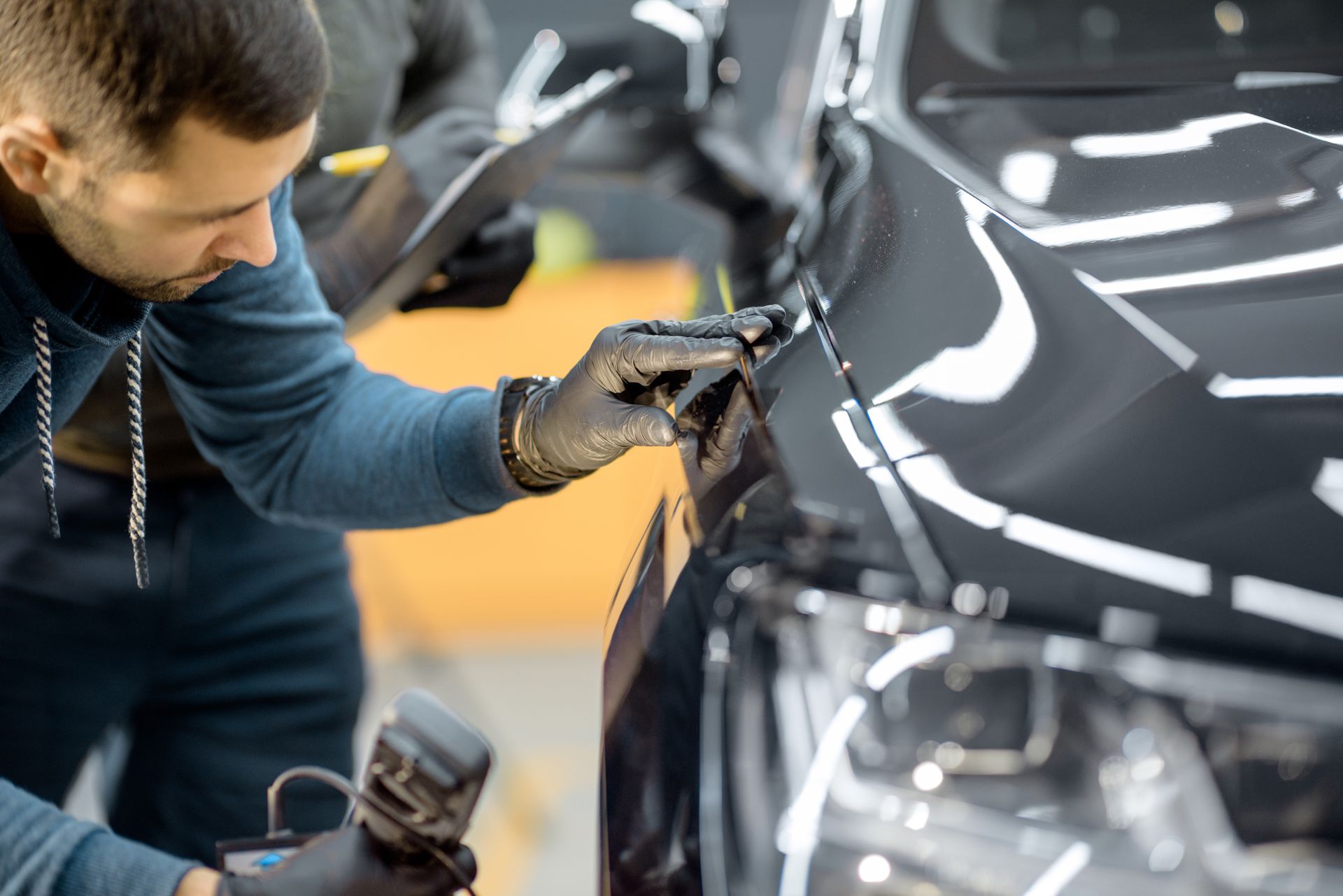
Quality checks should include viewing the paint in different light and from multiple angles, not just a quick glance indoors. It should also include basic panel fit and surface feel, because paint that looks good but feels gritty is not a win. Consistent results come from a process that is followed every time, the same way regular maintenance keeps a vehicle reliable.
Get Auto Body Paint Repair In Pompano Beach, FL, With B & R Auto Body Works
If you want paint that matches, lasts, and looks right in real sunlight, the next step is choosing a shop that treats prep, materials, and finishing as the job, not the shortcut.
Schedule service with B & R Auto Body Works in Pompano Beach, FL, for a clean repair plan and workmanship that holds up. We are also a Honda and Acura certified facility.
You should be proud of how it looks when you pick it up.